The future sound of Ghent

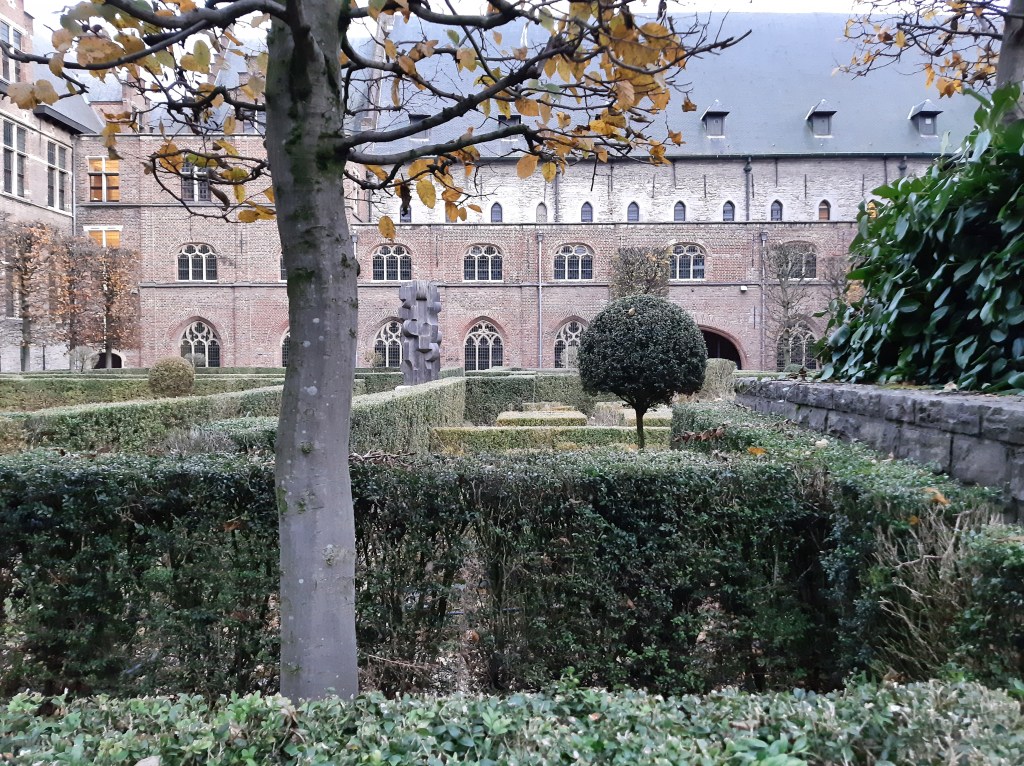
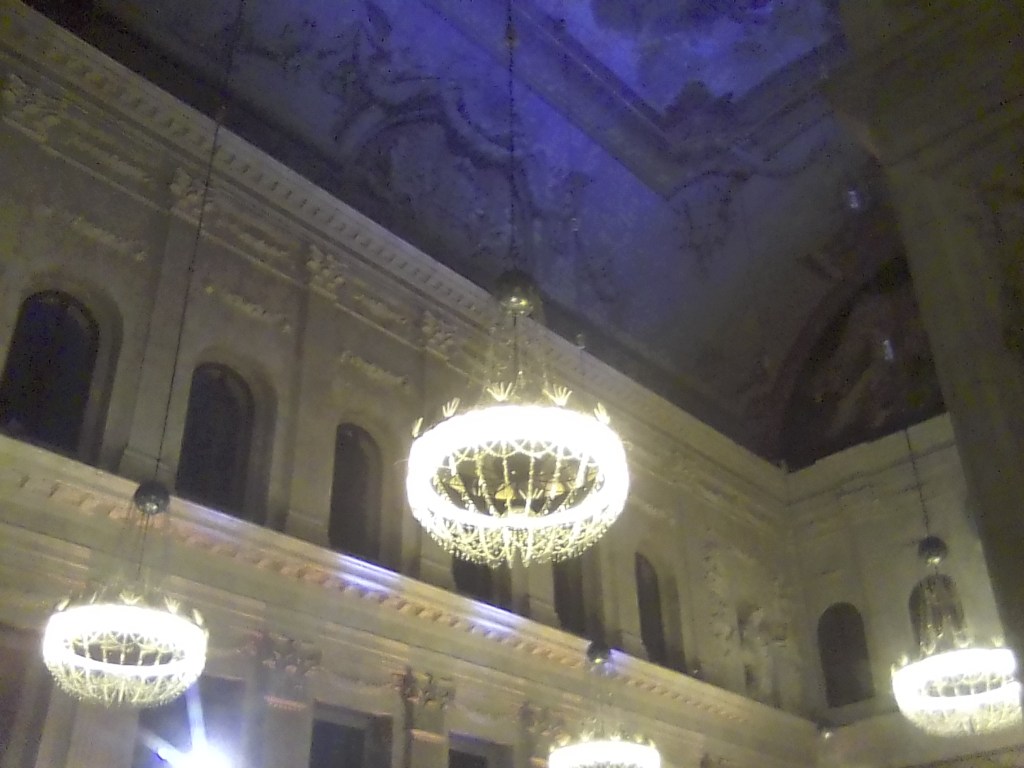
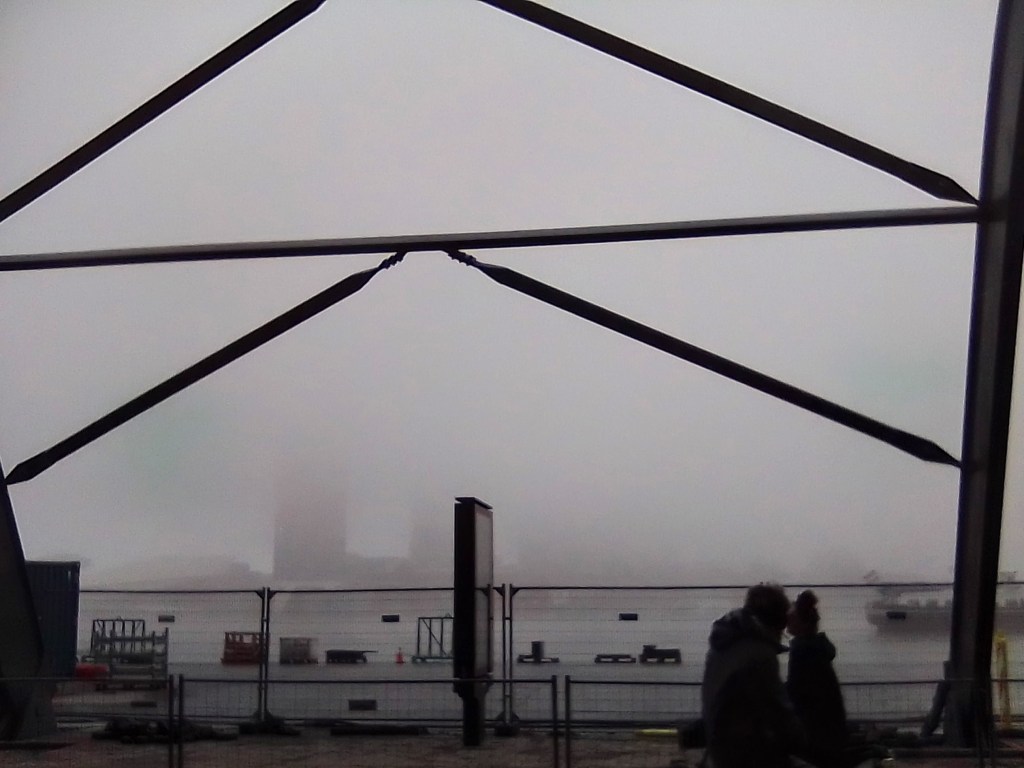
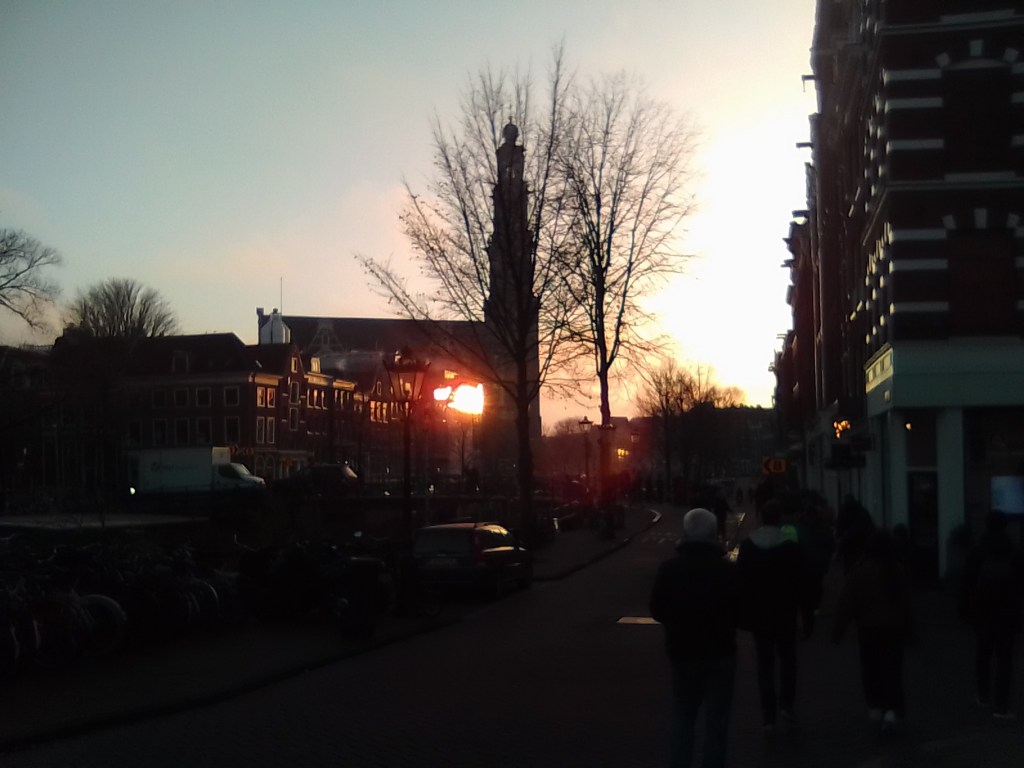
Greetings from Ghent, where the adventures in advanced studies and research in music continue. (the picture above is of Amsterdam, though)

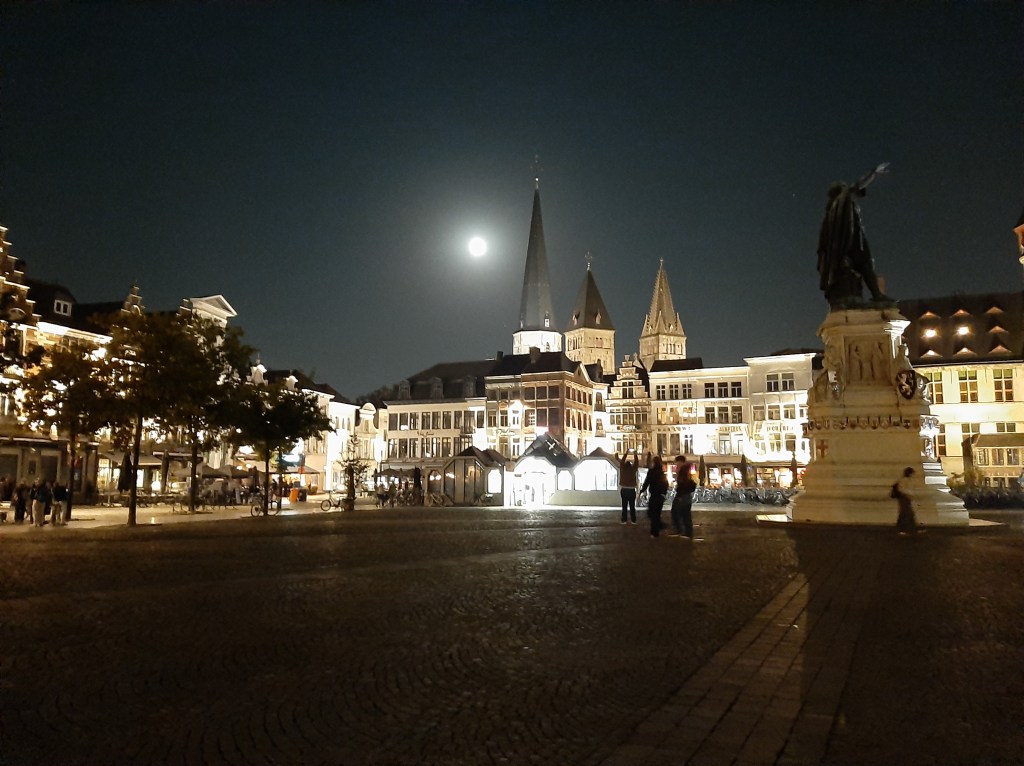
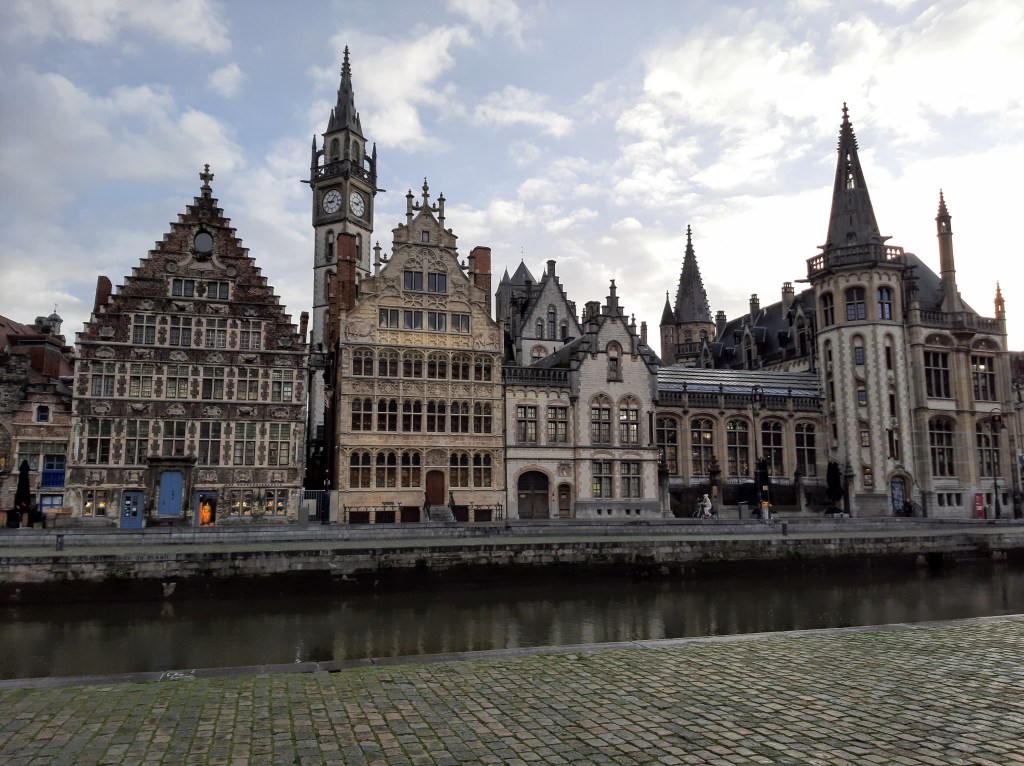
I’m currently taking very few – and rushed – photos here as there’s barely any time. But sometimes I have to stop and pinch myself to make sure I’m not living in some fairytale town from another era and world.

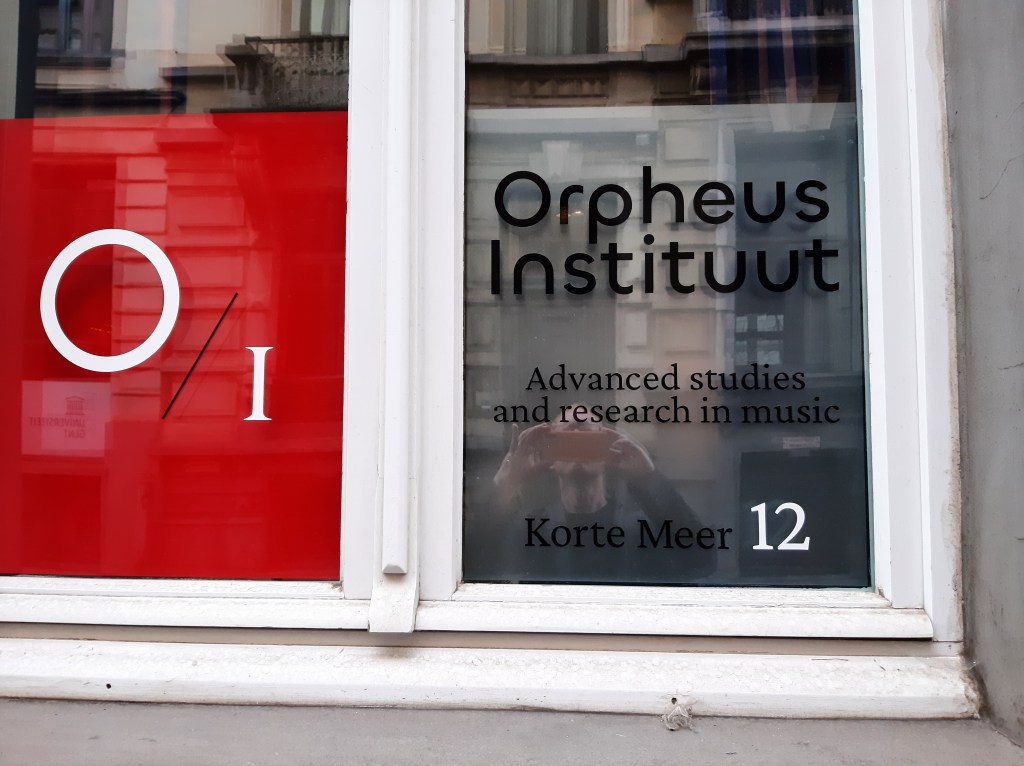
While I’ve settled well in Ghent, in my office and our studios at the Orpheus Institute I often find myself floating in space: music as we know it – records, streams, songs, performances, composers, songwriters, musicians – suddenly feels like a thing of the past, and we’ve now entered a new period where the function and purpose of music suggest something more expanded and transdisciplinary. Naturally, a lot of this has to do with my own thinking space and reading and research that I’m conducting; we also have composers and musicians firmly rooted in the Medieval and Classical periods (and in-between and after), but also to just observe them interact and collaborate with those working with augmented reality (AR), intelligent systems (AI) and (non-)anthropocentric hyperobjects is hugely exciting: there’s a sense of a continuum – long-term thinking and visioning in regards to culture, creativity and intelligence – that is strangely absent from our current political and economic activity (where it would be needed most).

Occasionally though, I do find myself missing the days when music mostly meant Kate Bush or Prince (et al.) on the radio, and skipping songs meant going to a record shop and skipping through cassettes, CDs and vinyls until you found the ones you wanted to buy and own. Music had a clear cultural function and significance back then – and it sounded unbeatably fantastic!

I’ve been working a lot with the latest AI music generators out there – for 30 minutes in total, to be honest, then I felt compelled to quit (compare this with the 30+ years that I’ve been making music for). Conclusion: they are the most boring thing (after our current economic and political ideologies) in the existence of the universe.

AI music generators can produce utterly perfect and fantastic music in almost every conceivable style in seconds, often surpassing even human creators in quality. Heck, I’d always yearned to hear futuristic arabic punk reggae, but since no one was producing such music, I wrote a short prompt, and in less than a minute I had a fantastic track of, well, futuristic arabic punk reggae! I transformed tracks from my latest album Bloom – pure electronica – into symphonic orchestra renditions in the space of five minutes, and the dubious sound quality notwithstanding, they could potentially be mistaken for the work of some talented classical composer if used in the background of a film, for example.

But that’s not what music is or has ever been about.

If music to you is merely a capitalist pursuit (an end product with the minimum cost), then these AI music generators are perfect – and in my opinion there is nothing wrong with anyone (be they advertisers, companies, creators, listeners etc.) using these tools to get the music they want, instantly for free. Go for it!

If music to you, however, is something more precious and evolved – life, art, philosophy, understanding, progress, journey, intelligence, love, culture/civilization, a deeper and more elevated state of existence perhaps – then I’m afraid the secret to this still lies in the old, long and arduous, process of trying and failing, trying again, failing better. For great music has always been more about the process than the product: the life that has gone into making that final product. Make that process/life count, and the end result will be imbued with music that transcends the shelf life of any capitalist-consumerist product.

Music that just sounds like music is not really music (an old argument of mine which suddenly became a source of an animated debate in our last seminar).

In short: to come up with great music by pressing a couple of buttons feels empty; to come up with great music by learning, trying and actually playing feels like an enlightenment.

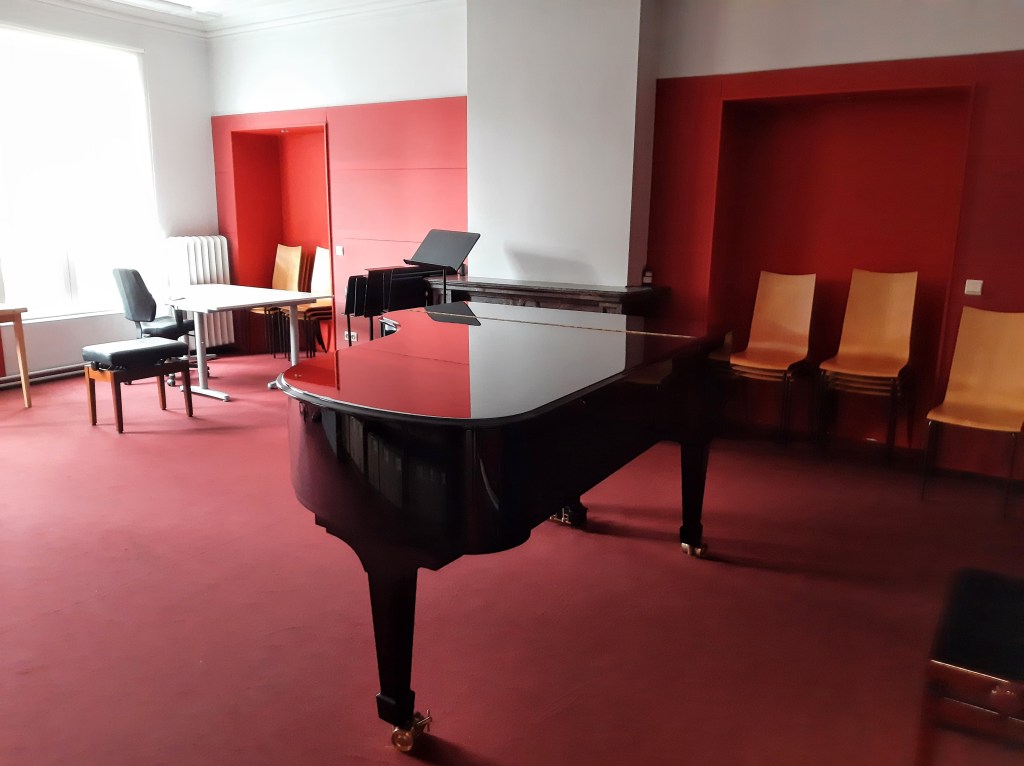
From the floatation tank that is my office, I hear medieval church bells ringing alongside distant sirens, footsteps on cobblestones, birds chirping, men arguing, children playing and laughing; my colleague on the phone explaining non-anthropocentric compositional practices to someone on another continent; Brahms being practiced on a grand piano next door; generative NFT (non-fungible token – or “No F*cking Thanks!”) sound art on my screen.

It does feel like the beginning of something exciting, an intellectual as well as creative adventure toward “something that nobody has a name for” (after Kevin Kelly), which simply wouldn’t be possible in a purely artistic or academic practice. I might be wrong, of course – but then that would simply be the start of something new again: a process, a journey, an open discovery.

Our golden age now

Happy New Year! Let’s hope it’ll be peaceful and prosperous for us all, bringing many new joys and adventures along the way.

This year will see, among others, the release of my album Earth Variations – finally! (it’s hard to let go as I keep enjoying inhabiting its sensuous possible world, from improbable musics to possible musics, exploring its dynamic and immersive territories between music, environment, geography, soundscape and abstract art). The release has been delayed until March-April though: I’ve been unable to work on it properly during the holidays (a lack of quiet space), I cannot afford to finance its mastering at the moment (after ten albums, my personal well has run dry) – but also because of one beautiful, serendipitous discovery over the holidays.

I had asked a dear friend of mine to provide a spoken word part in her native Urdu (beautiful language!) for the remaining unfinished piece, and when we finally sat down at this luminous Belle Époque/1920s’ café to discuss the piece, she asked if I preferred the poem she’d chosen to be spoken or sung. I was confused: “can you sing?” I’d known this loveliest human being for two years, and it was only now that she told me she’s also a trained singer in Indian and Pakistani classical music! (I’d been looking for such a singer for a while now, but without funding it’s difficult to find the collaborators you need). To me, she’d always been just one of the most brilliant anthropologists, architects and visual artists out there – yet here she was, beginning to sing these romantic classical Pakistani songs softly into my ear in the most enchanting voice over our candlelit coffee table. If there’s a celestial version of us all, it’s certainly through singing. Above us, the old Parisian street lamps, a crescent Moon and five planets of the solar system shone brightly; at one end of the street, the grand Opéra house appeared majestic and dreamy in its evening lighting, at the other, the Louvre Museum continued to glow gently. This was probably Midnight in Paris, and I was accompanying Paul Gauguin, Claude Debussy and others in their quest for faraway places: yet it was just Saadia and me at a crowded Belle Époque/1920s’ café, envisioning our future performances and recordings in Paris together. The faraway had been explored (and exploited, unfortunately), now it was all about the complex, multicultural hybrid future ahead of us to discover and cultivate – and it is bright as far as culture is concerned.

We’ll be recording vocals on few more tracks to see how her voice might work on this album. There’s a sense of a journey toward home, a circle closing: the biggest musical influence on the album has been the late American trumpeter and composer Jon Hassell, who in turn studied Indian classical singing with Pandit Pran Nath, transforming that singing technique into his trumpet playing and thus discovering his unique sound, combined with electronics and novel rhythms…

Have a great start of the year X

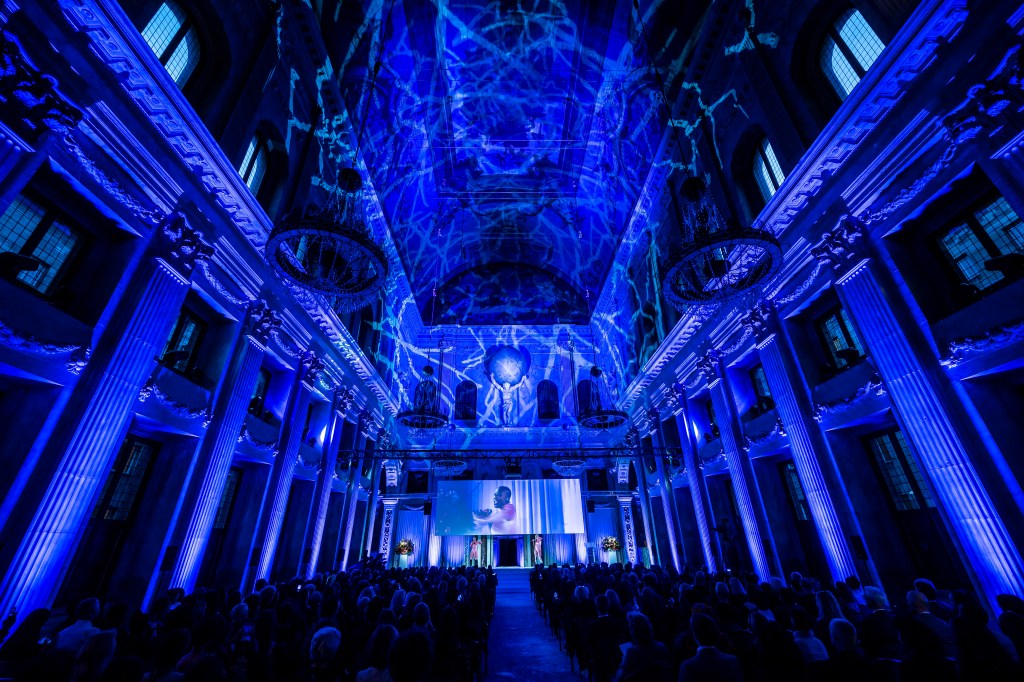
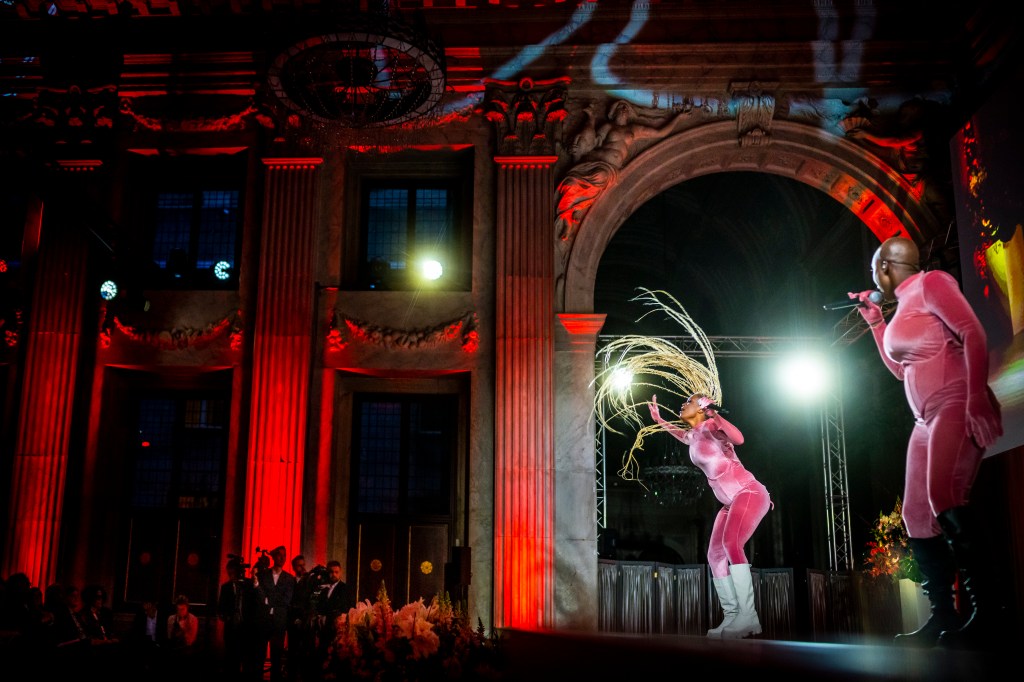
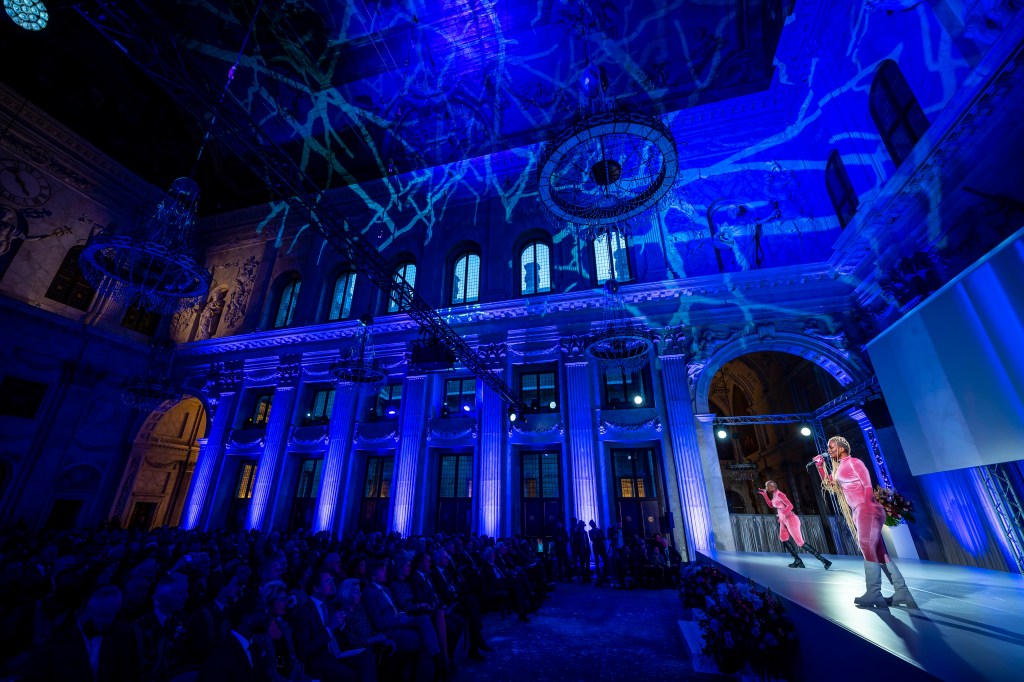
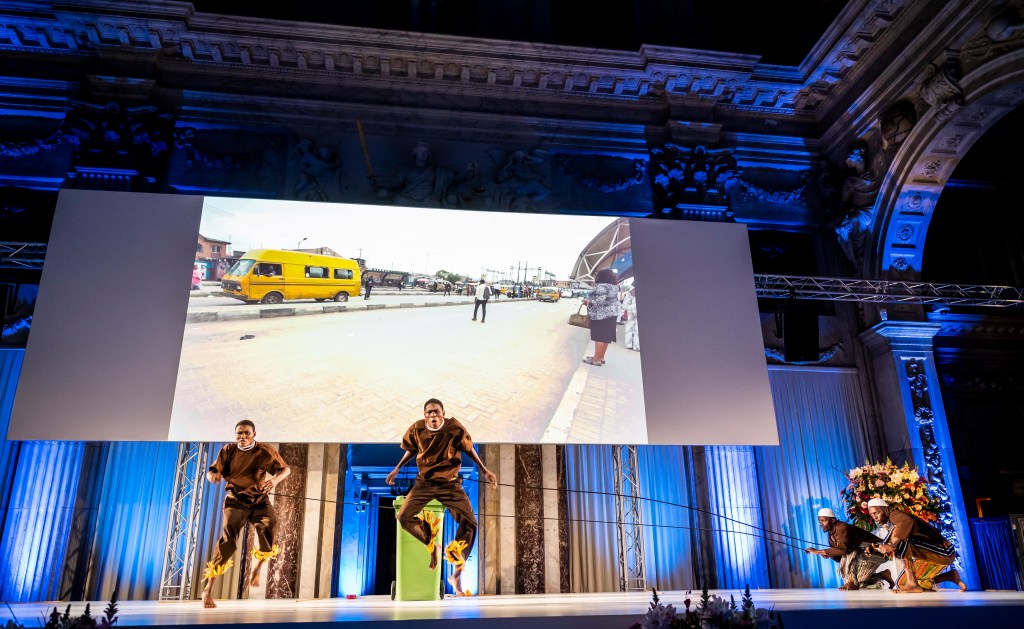
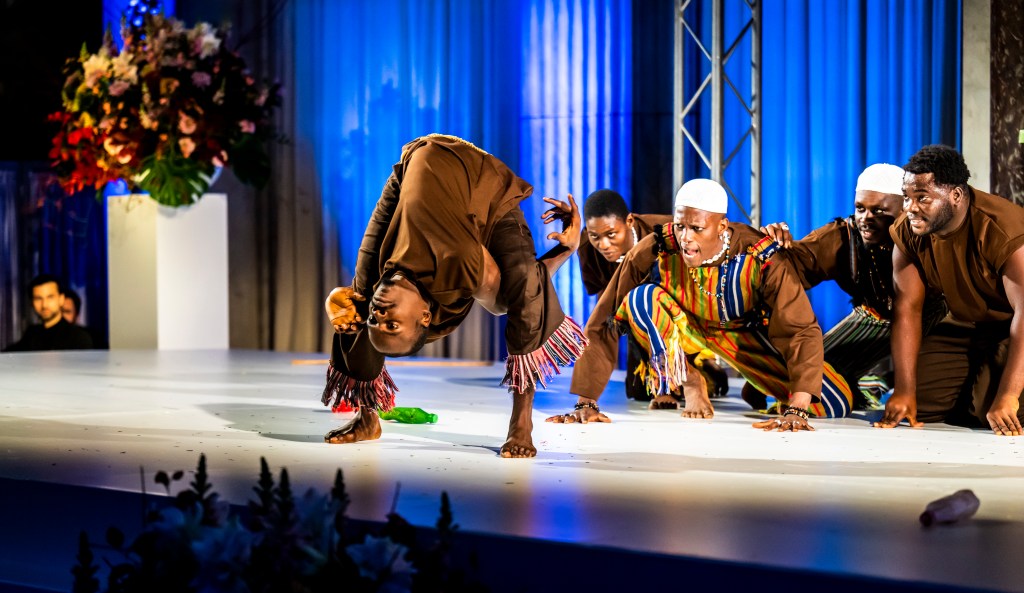
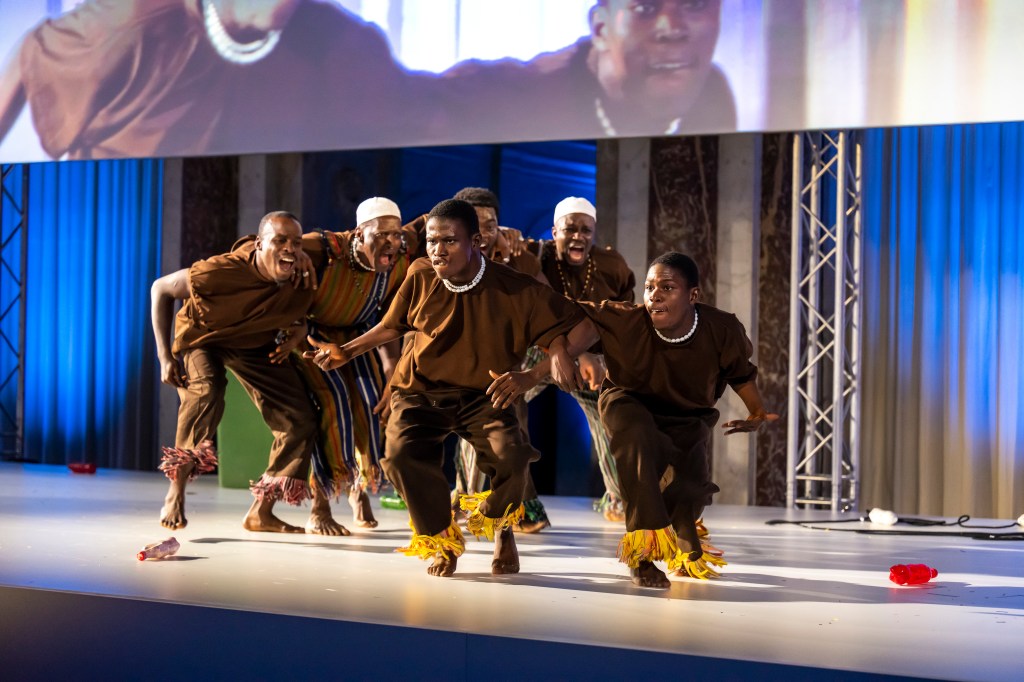
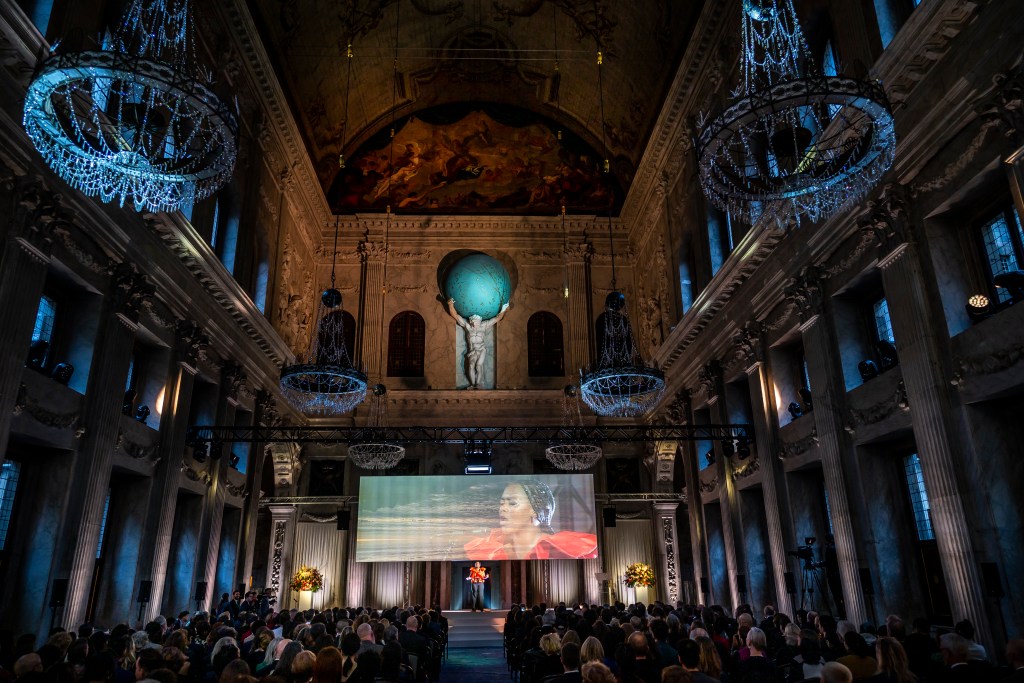
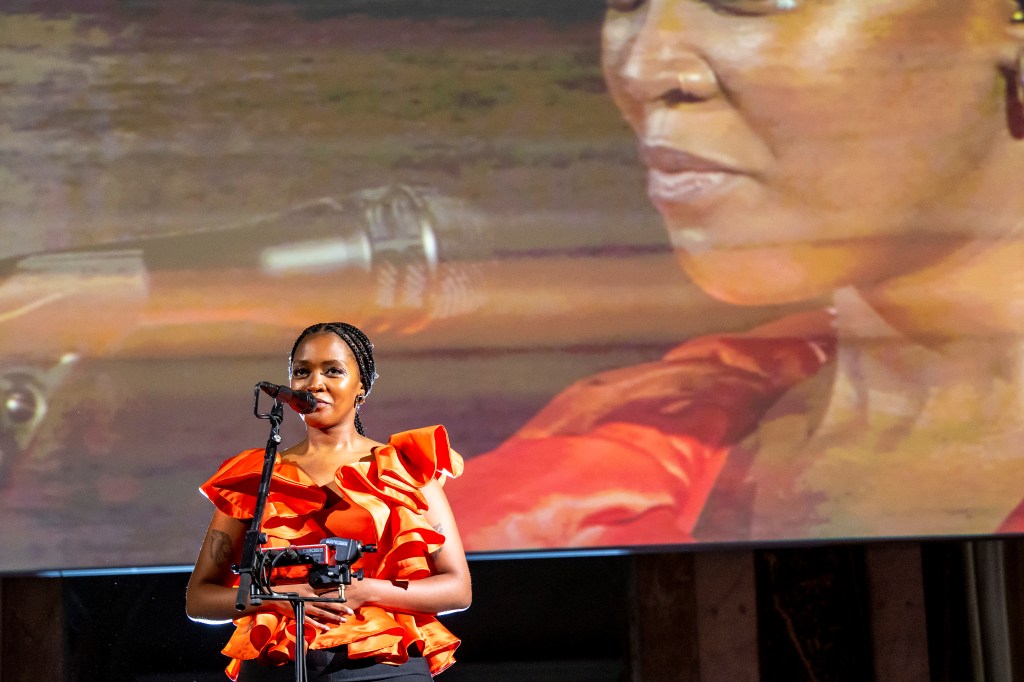
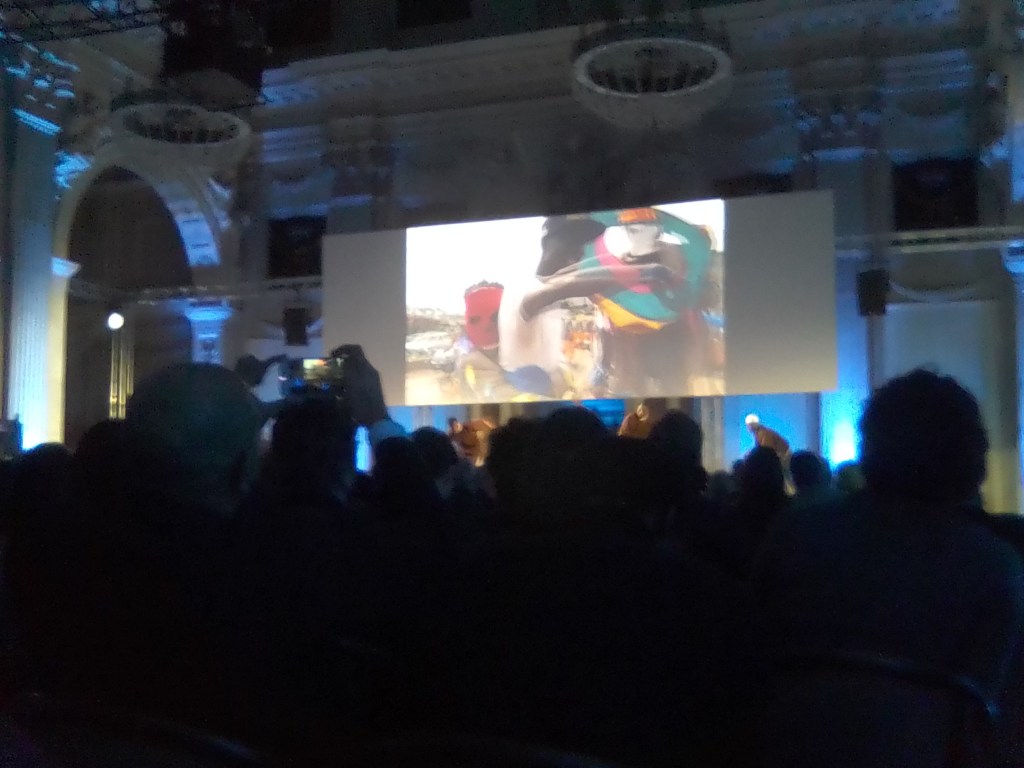
PS. A couple of official photos of the performances at the 2022 Prince Claus Impact Awards Ceremony in Amsterdam last month (received them recently). Photography: Frank van Beek.

Prince Claus Awards 2022

Greetings from Amsterdam! I’ve been back in my old hometown for the 2022 Prince Claus Awards for arts, culture and social progress, as I had the honour of being one of the advisors for the awards jury this year again.

It’s such a privilege to be able to encounter so much talent, creativity and passion from all over the world within such limited time and space. The awards ceremony with its surrounding networking events is one of those cultural incubators where new possible geographies and becomings are being formed: “the dawn of the world” (after Deleuze) created by people coming together, and through listening, curiosity and care, attempting to find a common ground, a novel space, between each other as well as between existing borders, territories and divisions. There’s a sense of new hopeful futurality in the air. Yet it’s not all plain-sailing toward some utopia, more like a chaotic and colourful navigation through the present.

The awards ceremony itself at the Royal Palace was gorgeous, with King Willem-Alexander and Queen Máxima as well as Princess Beatrix, Princess Laurentien and Prince Constantijn in the audience. Also witnessed a heartwarming vocal performance by South African singer Amarafleur (chills running down my spine), futuristically primitive/indigenously futuristic hip-hop by Senegalese duo DEFMAA MAADEF (Mamy Victory and Defa), and one of the most exhilarating dance performances ever by Nigerian dancer and choreographer Sunday Obiajulu Ozegbe and his dance group Ennovate Dance House: their insanely inventive and energising choreography, inspired by the city of Lagos, was accompanied by a soundtrack fusing Lagos soundscapes with electronic music, and I literally had to hold back my tears and idiotic smile as it took me back to Emeka Ogboh and my wide-eyed experiments (LOS-HEL: Possible Cities) all those years ago. Inspiring conversations and encounters at the reception, dinner and the afterparty afterwards (met also this lovely opera singer from Fiji, into Finnish classical music and married to the French ambassador to Italy – turns out we are neighbours in Paris! I told him that as a kid I wrote a fictional adventure story based entirely on my imagined idea of Fiji; he’s yet to ruin that image). A tender, colourful, wonderful evening.

You can read more about the recipients and the awards at www.princeclausfund.org.

A couple of notes from the event:

“Untranslatable.” French-Senegalese film director and screenwriter Alain Gomis, one of the recipients of this year’s Prince Claus Impact Awards, kept referring to the untranslatable qualities as those that make you ‘you’, and the reason why we need diversity of voices, narratives and perspectives to make that untranslatable somewhat understandable. When Gomis received the main prize for best film at the 23rd pan-African film festival (Fespaco) in Burkina Faso in 2013, I was in the audience listening to him but he spoke in French, with an overdubbed and shortened English translation echoing around the Stade du 4 Août stadium, and many things became untranslatable in that hot Ouagadougou night. I love the idea very much.

“A banker is originally a catalyst who enables ideas to come into being, and who ensures that wealth is distributed equally among the society.” Carlo Rizzo, the director of the Dubai Collection and an ex-banker, sitting next to me at the dinner table. He left his job as a banker, because he couldn’t help the society the way he’d imagined – imagine a world where the banks still served their original purpose?

Flash of the Spirit – new album out now

My new album Flash of the Spirit is out now. This is my sixth album, and it builds on the direction begun on my previous albums Arrival City, Sahara and LOS-HEL: Possible Cities.

The album is inspired by my travels and experiences in West Africa. It’s a reflection on a kind of liminal global space, imaginary and real, that exists in between and beyond cultures, nations, borders, ecosystems, beliefs, social constructs, identities and differences. This space is always in the state of becoming: changing, emerging and suggesting new possibilities.

Similarly, the music defies any clear categorization and well-established aesthetics, existing and moving between Minimalism, Afrobeat, Electronica, Krautrock, Gospel, Ambient and West African traditional musics – as if heard and treated through a slightly futuristic perspective. My idea has been to make an approachable yet artistically uncompromising, melodic, rhythmic, emotive record, one that can grow on repeated listening over time. I always imagine the music that I’m making belonging to a possible future world (“music holds the promise of a different world”).

The title refers to the book of the same name by Robert Farris Thompson, which I’d read during my residency in Benin. It’s also a nod to the album of the same name by Jon Hassell & Farafina. It’s also a reference to those great “flashes of the spirit” that I kept coming across on my travels.

The album is available now on my Bandcamp site, and on all the other digital music stores and streaming services from 2 November onwards.