My new album SIINTO out now

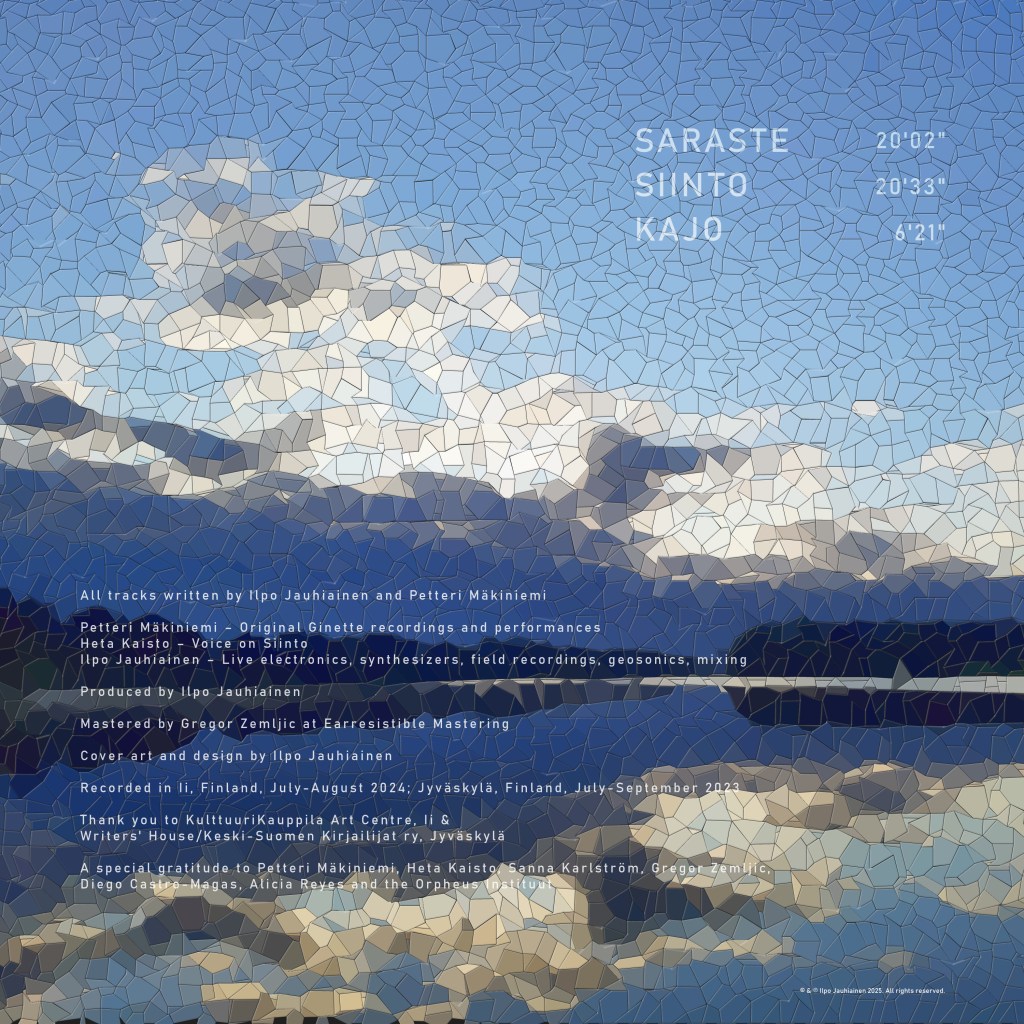
My new album SIINTO is out now. Hooray!

This Bandcamp release will shortly be followed by all the other streaming platforms (incl. the unethical Spotify).

This has been my most challenging release to date, in terms of its scope and complexity. But I’m utterly thrilled with the results – and in the process I discovered a new kind of musical thinking that will form the basis of my unfolding doctoral studies from now on.

I hope you will enjoy this sonic journey (it may require some time and space, I admit). 🙂

Warmth X

SIINTO (Finnish for ‘shimmer’, ‘dawn’, ‘reflection’, ‘glow’) presents three compositions – or ‘geomusical objects’, as I began to hear them – that play with the notion of music as an environment and environment as music, exploring the potential between geography and music.

The tracks are long (20 minutes), with the ‘hooks’ occurring slowly and gradually over the course of the entire tracks; this is to better cater to the current demand for 2-minute songs with instant 15-second hooks.

(for a new culture is to be found in the spaces, silences and ruptures too incomprehensible to the optimisation algorithms)

It is meant as music to swim in, roam through, get lost in or bored by, zoom in/out of, journey with, discover alongside other things, be exited and returned to at any point.

Siinto and its variation Saraste (‘morning’, ‘dusk’, ‘first light’) originate from my artist residency at KulttuuriKauppila in Ii, Finland, July-August 2024: while there, I was invited to create a site-specific live performance that drew its inspiration and most of its sonic material from the local geography of Ii. The title track also features the voice of a dear friend who was born in Ii, abstracted from a poetry recording we had made years earlier; and while in the performance the voice travelled as a clearer figure in a landscape, here it has become more ecological – a sustaining part of that environment.

Kajo (‘soft light’, ‘reflection’) forms the backing track I created for poet Sanna Karlström’s spoken word performance at Sähkö #42 in Jyväskylä, Finland, September 2023. The idea has again been for a situation/site-specific soundscape composition, drawing thematically and sonically from the local environment and culture – and, in this case, from the content of Karlström’s poems as well. The collaboration was made possible by my residency at the Writers’ House/Kirjailijatalo in Jyväskylä, May-December 2023.

A particularly vital layer in these geomusical objects emerges from the ‘stratified’ recordings of Ginette, originally performed by Petteri Mäkiniemi (the inventor of this wonderful electronic instrument).

My deepest gratitude to Petteri Mäkiniemi, Heta Kaisto, Sanna Karlström, Gregor Zemljic, Diego Castro-Magas and Alicia Reyes for bringing this album to life; the Orpheus Instituut; and to KulttuuriKauppila and Kirjailijatalo for their transformative residencies and generous invitations for me to engage meaningfully with their respective localities.
A new album / (r)evolutions

June 20

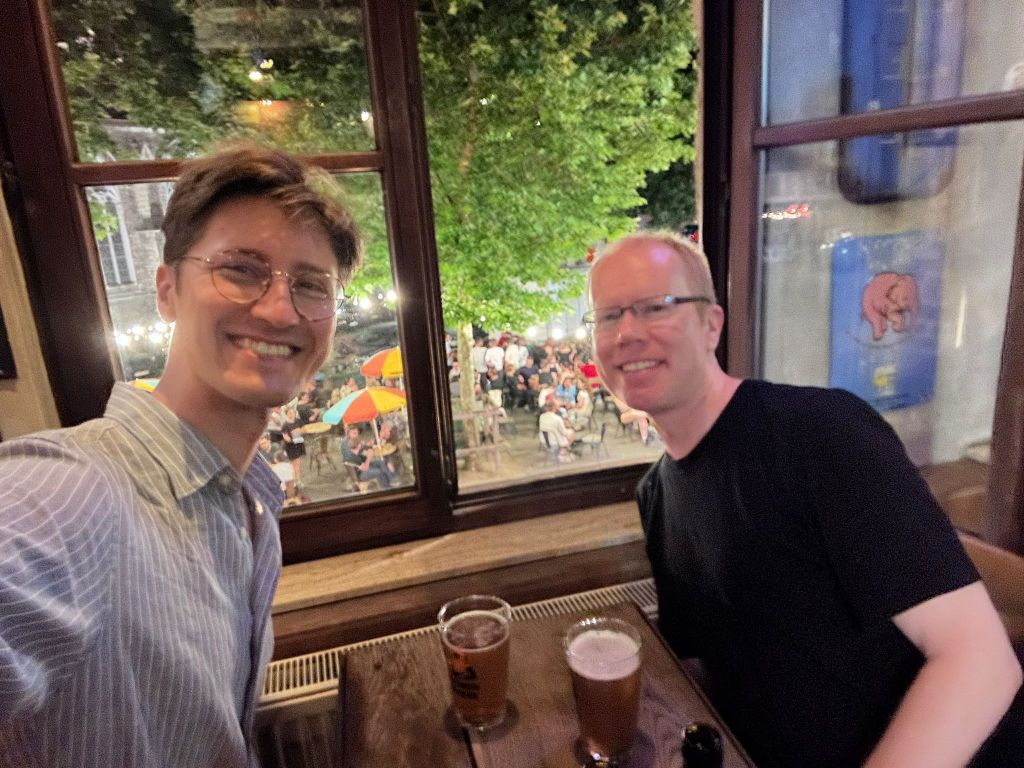
While Finland and the rest of the Nordic countries are celebrating the Midsummer, our research cluster MetamusicX at Orpheus Instituut here in Ghent is celebrating the ends of very long yet transformative journeys, and the beginnings of rather exciting new ones! (more info on the latter in the autumn)

For my dear colleague Alicia (not pictured here) and me, it’s the completion of our compulsory doctoral studies and the start of full immersion into our respective research-based practices; for our dear friend and colleague Adam (pictured here), it’s the completion of his dissertation and becoming a post-doctoral fellow in our cluster, joining Diego, Martin and Paulo. New (r)evolutions are in the air!

I feel utterly lucky having found and become part of this research cluster (and Orpheus Instituut in general): the level of critical, experimental, creative, open-ended, rigorous and enthusiastic thinking – not to mention the sense of humour – has finally provided space for my own expression to flourish; I find myself in a place where all my diverse interests are able to converge, coalesce – and potentially evolve into something new and meaningful! Yet this should be a basic condition for every citizen on Earth: the freedom, safety and unconditional support to discover and pursue one’s dreams, no matter the background. Why can’t we solve this simple societal design on a global scale?

P.S. My new album SIINTO will be out as soon as I receive the final masters from my mastering engineer…

June 2

A quick update. My new album SIINTO will be out this month. Yay!

The exact release date is difficult to set though, as I’m still listening to and deciding on the final masters. But like the music itself, the release process can also be emergent, gradual, soft, incidental, serendipitous, rule-breaking – no need for the usual hyping and stuff!

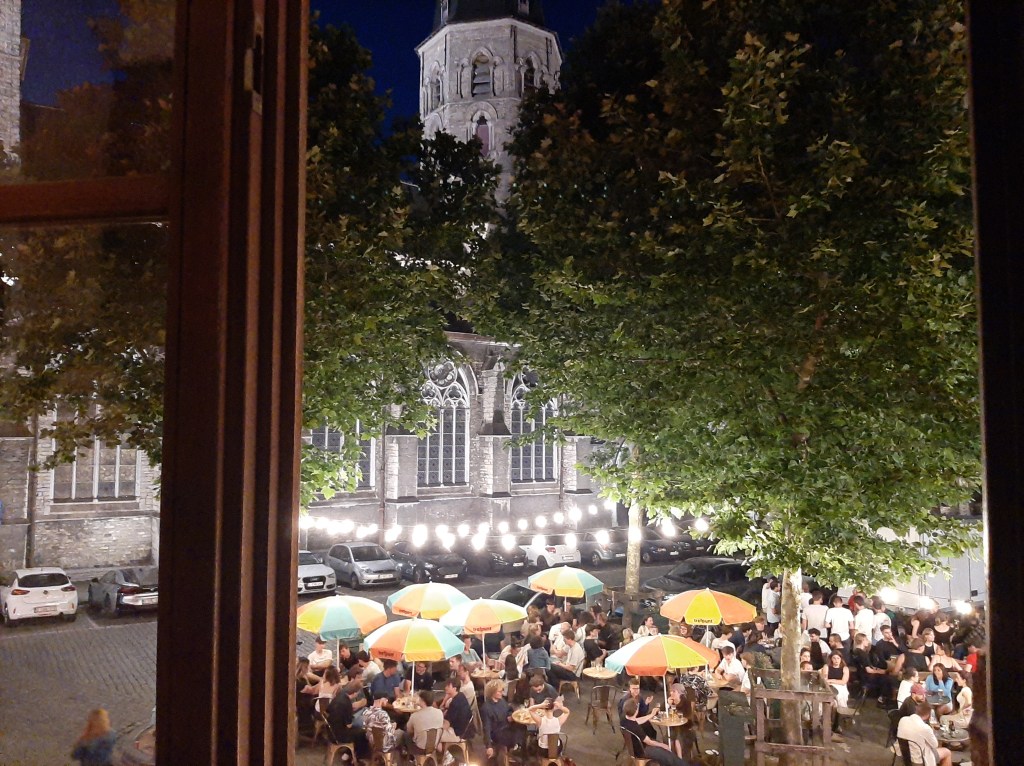
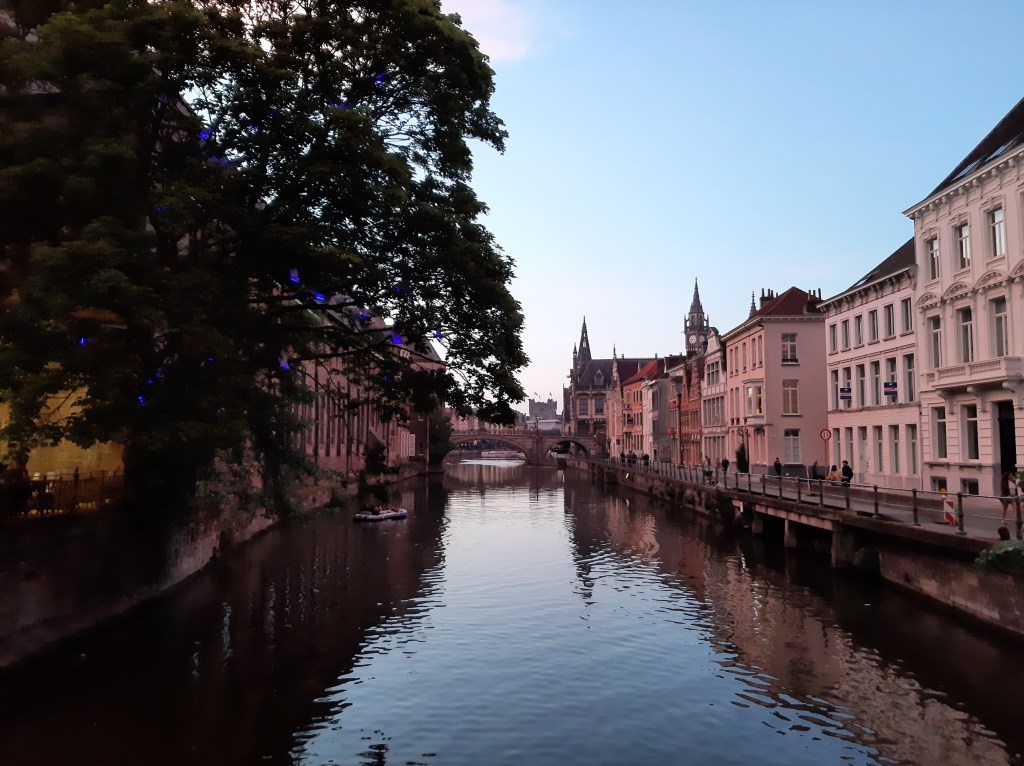
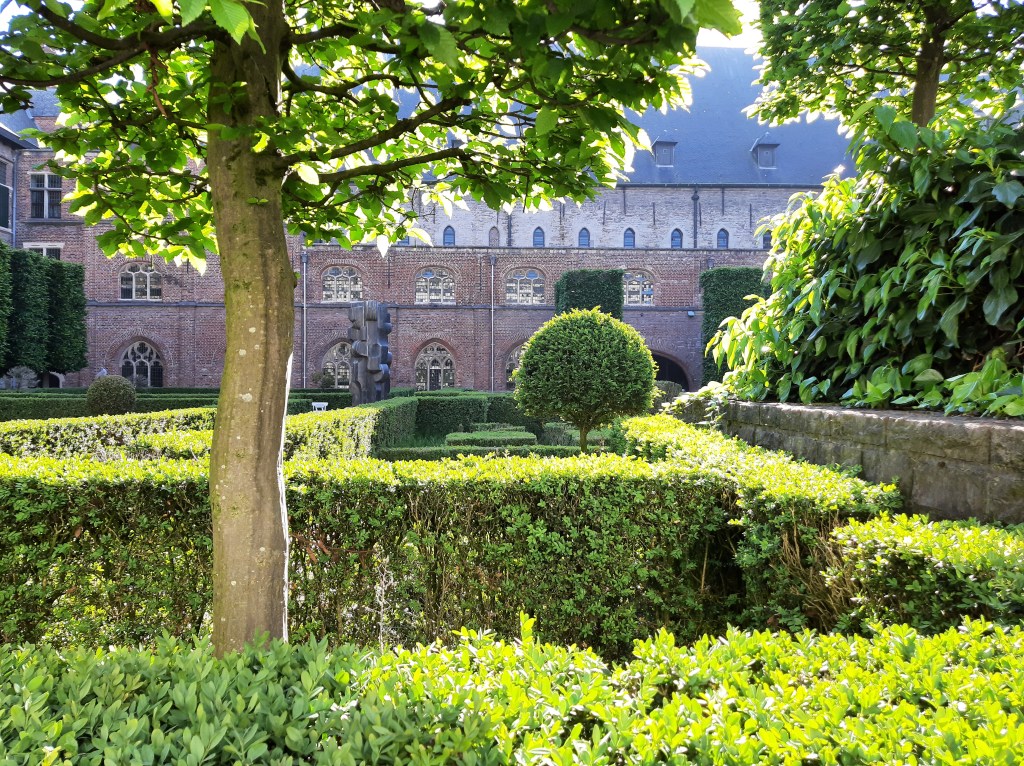
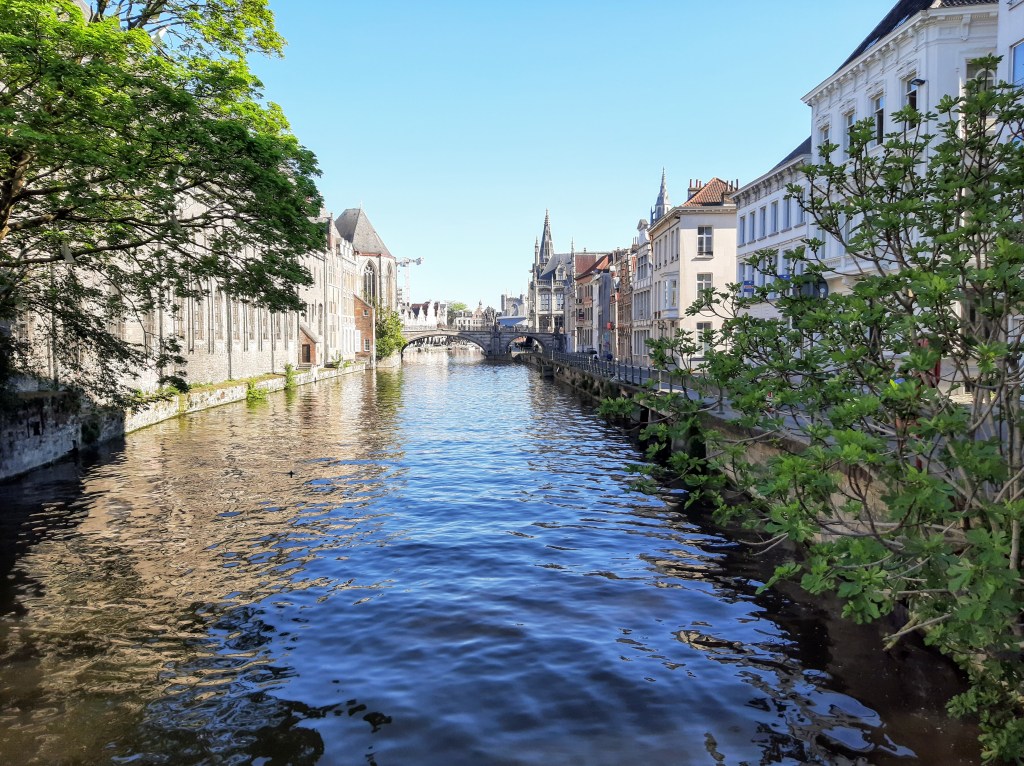
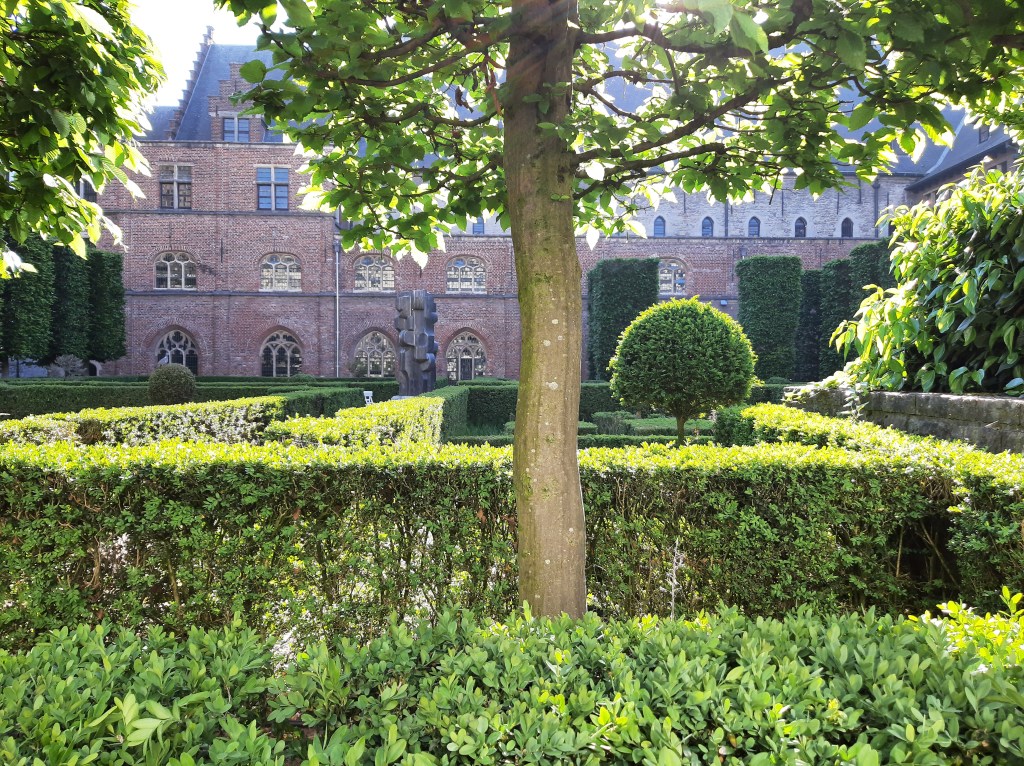
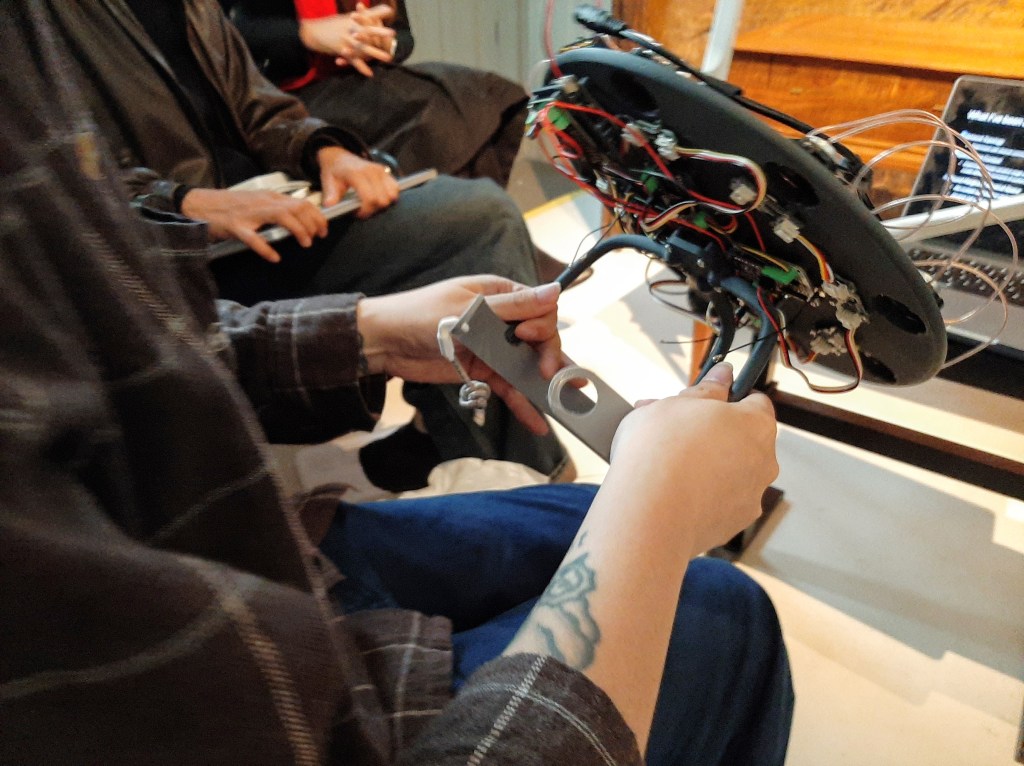
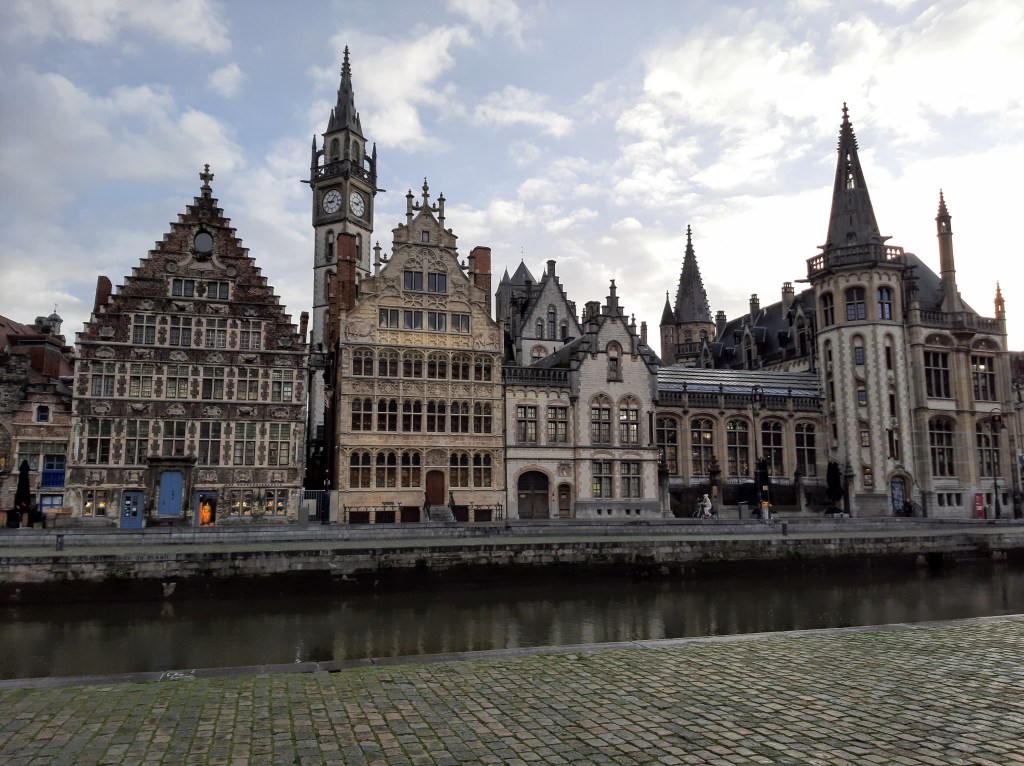
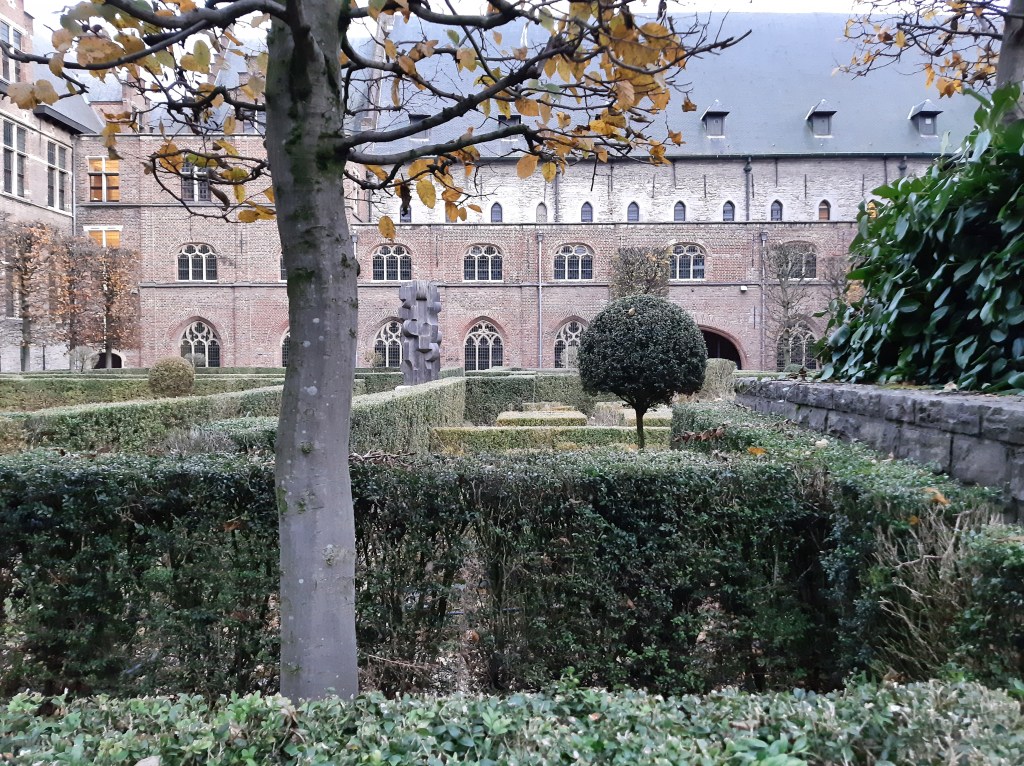
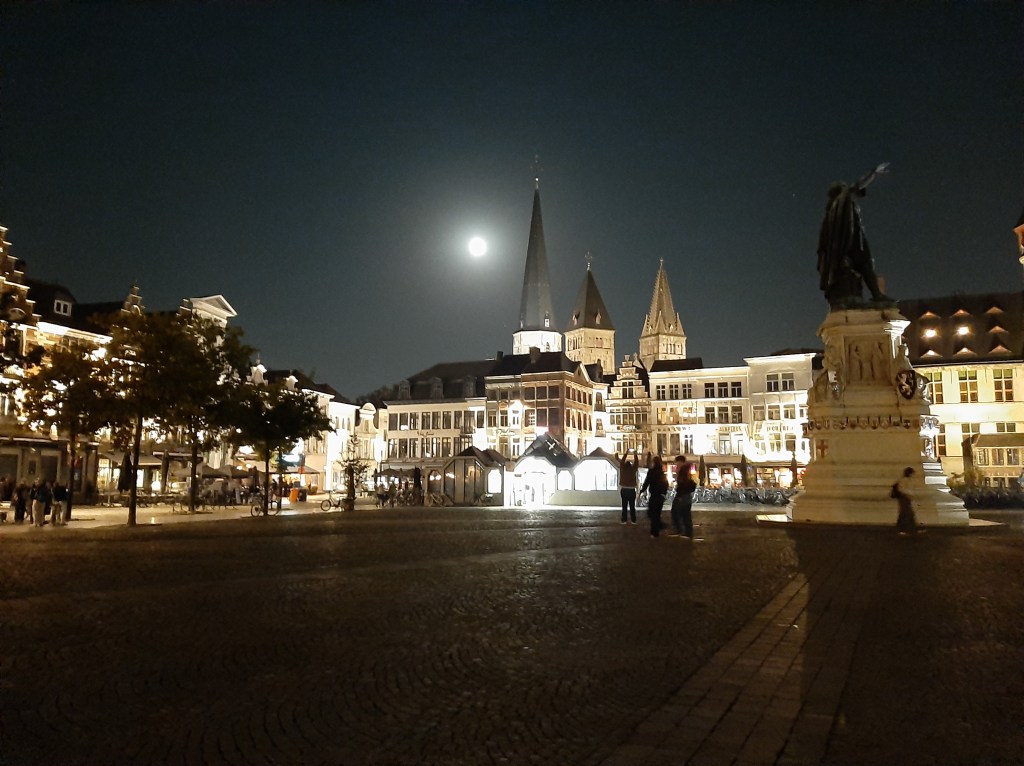
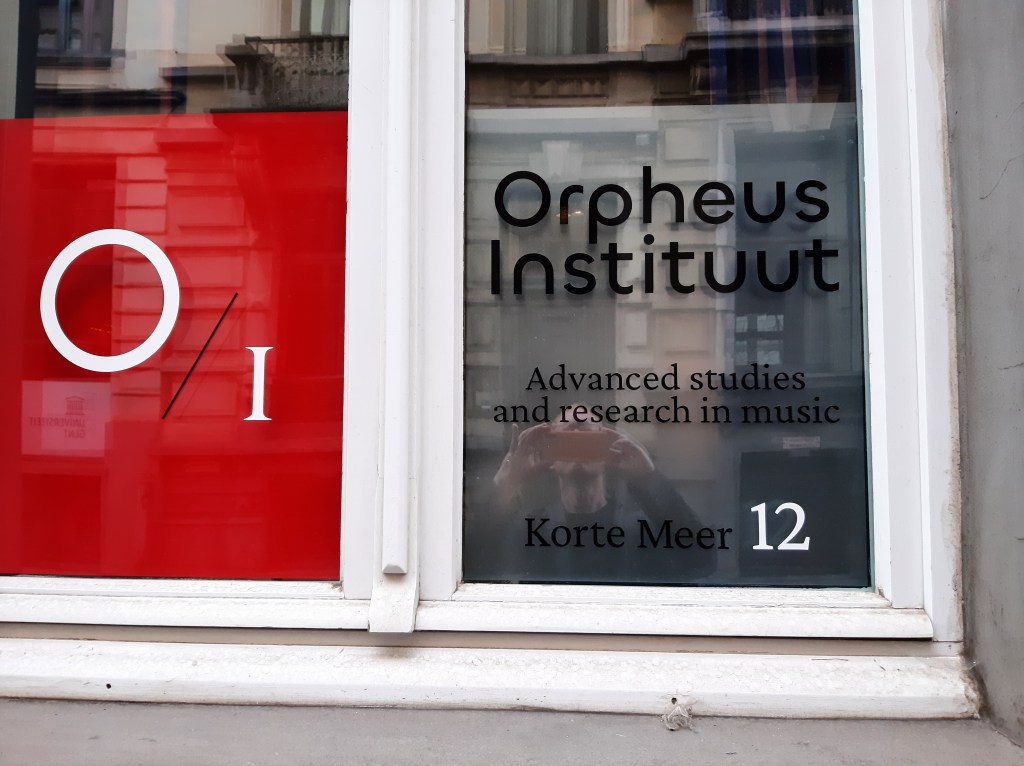
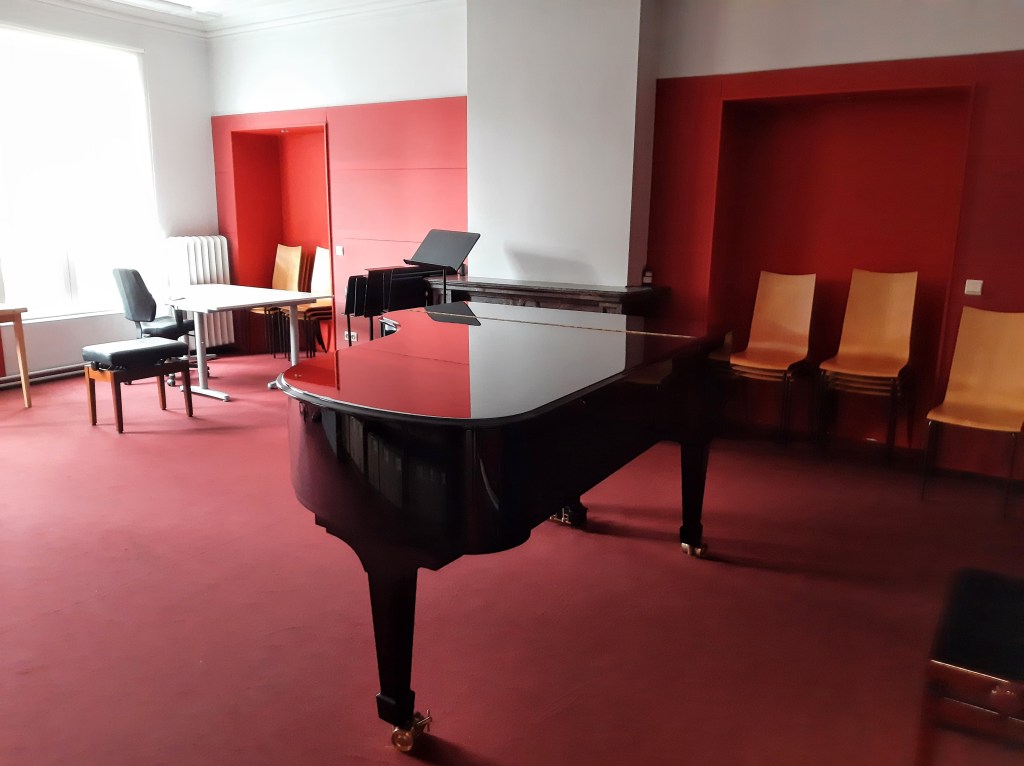
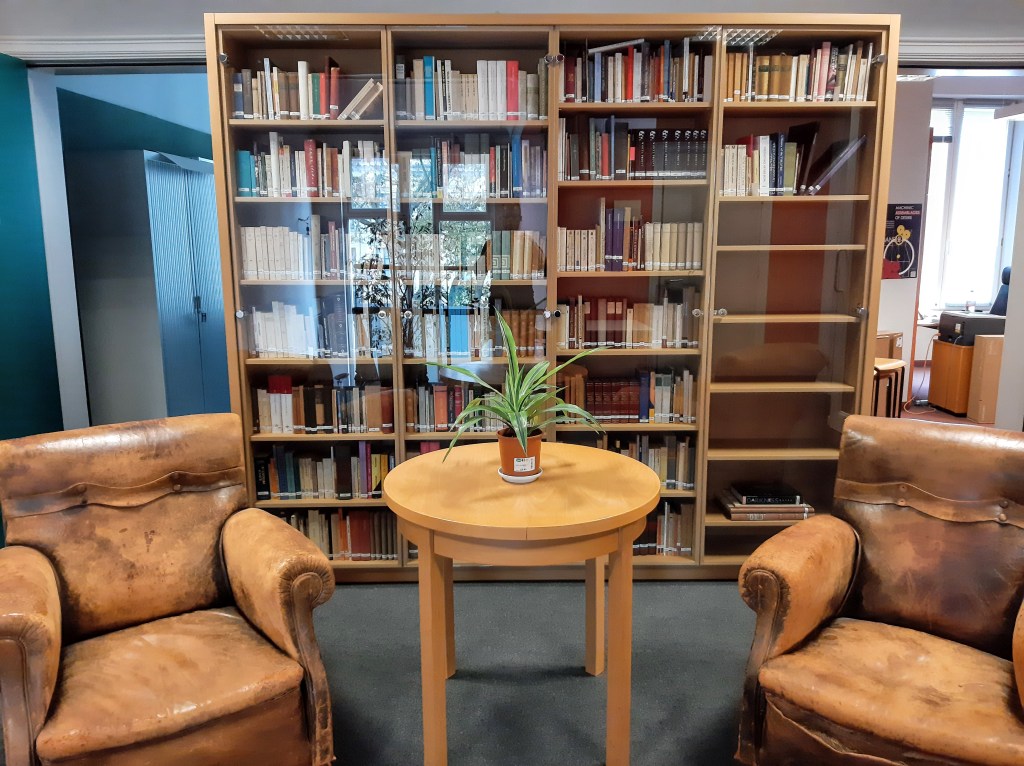
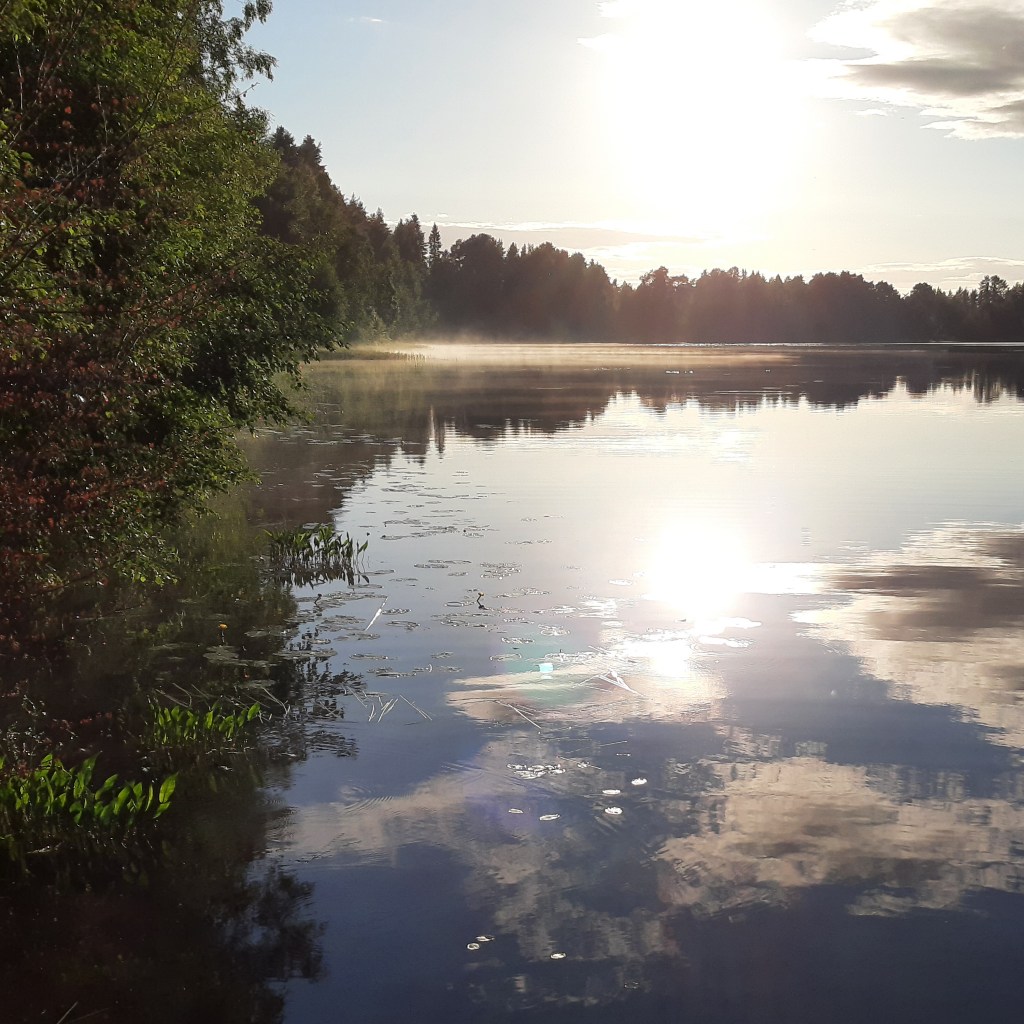
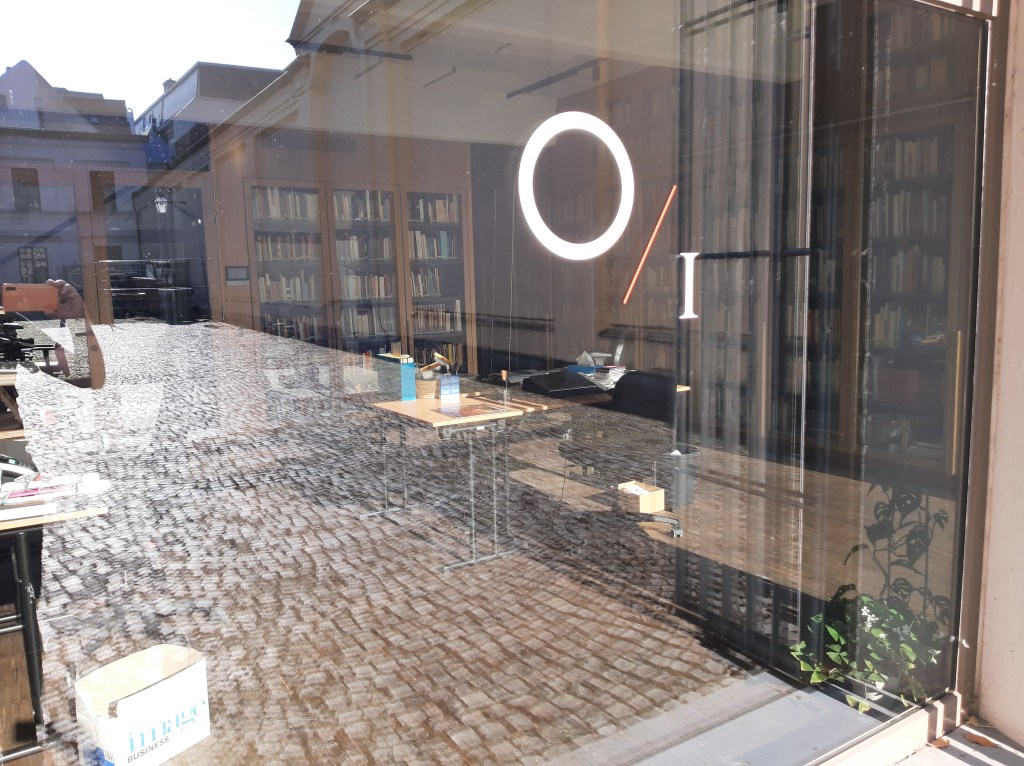
The release has been delayed by my compulsory, first-year doctoral studies: I’ve been utterly busy with the many exciting new projects, encounters and discourses this year has brought (attached a few random, recent photos I’ve managed to take, mostly unrelated to my topics, of course). And the album, for its part, has become an opening, an inception, for a whole new research avenue and artistic thinking that will form the core of my studies from now on. Rather thrilled!

More info soon/in due course. Greetings from a sunny and warm, verdant Ghent!

The future sound of Ghent

Greetings from Ghent, where the adventures in advanced studies and research in music continue. (the picture above is of Amsterdam, though)

I’m currently taking very few – and rushed – photos here as there’s barely any time. But sometimes I have to stop and pinch myself to make sure I’m not living in some fairytale town from another era and world.

While I’ve settled well in Ghent, in my office and our studios at the Orpheus Institute I often find myself floating in space: music as we know it – records, streams, songs, performances, composers, songwriters, musicians – suddenly feels like a thing of the past, and we’ve now entered a new period where the function and purpose of music suggest something more expanded and transdisciplinary. Naturally, a lot of this has to do with my own thinking space and reading and research that I’m conducting; we also have composers and musicians firmly rooted in the Medieval and Classical periods (and in-between and after), but also to just observe them interact and collaborate with those working with augmented reality (AR), intelligent systems (AI) and (non-)anthropocentric hyperobjects is hugely exciting: there’s a sense of a continuum – long-term thinking and visioning in regards to culture, creativity and intelligence – that is strangely absent from our current political and economic activity (where it would be needed most).

Occasionally though, I do find myself missing the days when music mostly meant Kate Bush or Prince (et al.) on the radio, and skipping songs meant going to a record shop and skipping through cassettes, CDs and vinyls until you found the ones you wanted to buy and own. Music had a clear cultural function and significance back then – and it sounded unbeatably fantastic!

I’ve been working a lot with the latest AI music generators out there – for 30 minutes in total, to be honest, then I felt compelled to quit (compare this with the 30+ years that I’ve been making music for). Conclusion: they are the most boring thing (after our current economic and political ideologies) in the existence of the universe.

AI music generators can produce utterly perfect and fantastic music in almost every conceivable style in seconds, often surpassing even human creators in quality. Heck, I’d always yearned to hear futuristic arabic punk reggae, but since no one was producing such music, I wrote a short prompt, and in less than a minute I had a fantastic track of, well, futuristic arabic punk reggae! I transformed tracks from my latest album Bloom – pure electronica – into symphonic orchestra renditions in the space of five minutes, and the dubious sound quality notwithstanding, they could potentially be mistaken for the work of some talented classical composer if used in the background of a film, for example.

But that’s not what music is or has ever been about.

If music to you is merely a capitalist pursuit (an end product with the minimum cost), then these AI music generators are perfect – and in my opinion there is nothing wrong with anyone (be they advertisers, companies, creators, listeners etc.) using these tools to get the music they want, instantly for free. Go for it!

If music to you, however, is something more precious and evolved – life, art, philosophy, understanding, progress, journey, intelligence, love, culture/civilization, a deeper and more elevated state of existence perhaps – then I’m afraid the secret to this still lies in the old, long and arduous, process of trying and failing, trying again, failing better. For great music has always been more about the process than the product: the life that has gone into making that final product. Make that process/life count, and the end result will be imbued with music that transcends the shelf life of any capitalist-consumerist product.

Music that just sounds like music is not really music (an old argument of mine which suddenly became a source of an animated debate in our last seminar).

In short: to come up with great music by pressing a couple of buttons feels empty; to come up with great music by learning, trying and actually playing feels like an enlightenment.

From the floatation tank that is my office, I hear medieval church bells ringing alongside distant sirens, footsteps on cobblestones, birds chirping, men arguing, children playing and laughing; my colleague on the phone explaining non-anthropocentric compositional practices to someone on another continent; Brahms being practiced on a grand piano next door; generative NFT (non-fungible token – or “No F*cking Thanks!”) sound art on my screen.

It does feel like the beginning of something exciting, an intellectual as well as creative adventure toward “something that nobody has a name for” (after Kevin Kelly), which simply wouldn’t be possible in a purely artistic or academic practice. I might be wrong, of course – but then that would simply be the start of something new again: a process, a journey, an open discovery.

Phew and gratitude

Spring makes noise!

Pleased to announce that my new album Earth Variations will finally be out on May 15. The initial Bandcamp release, with additional artwork and higher quality download, will arrive on all the other streaming platforms in early June.

The release has been delayed by my doctoral programme application, which has taken most of my spring. Excited to announce that I’ve finally been accepted to the prestigious and advanced Orpheus Institute in Ghent, Belgium! Phew (and gratitude). For the next four years, I’ll be researching the future of music and developing a novel environmental AI application while enjoying some waffles and chocolate.

The mastering of the album has also taken longer than usual, since this one required “gardening, not architecture” (after Brian Eno): putting your gloves on and tending carefully the delicate textures and colours the album is made of. Yet I knew that my inimitable mastering engineer, Gregor Zemljic (at Earresistible Mastering), would be able to rise to the challenge, preserving the fragile, unique qualities of the original while enhancing them greatly. And he did!

Phew and gratitude.

These also extend to the Finnish Cultural Foundation (SKR) for their two-year artist grant, and to the Arts Promotion Centre Finland (Taike) for their six-month artist grant, both which enable me to focus on my current stage of artistic research and production with the depth, immersion, time and care they require. Thank you, SKR and Taike. The future suddenly feels possible in its improbable brightness.

Keep redesigning the world. Stubbornly. 🙂

Marseille, France, 2021. One of the many places visited on the album.