My new album SIINTO out now

My new album SIINTO is out now. Hooray!

This Bandcamp release will shortly be followed by all the other streaming platforms (incl. the unethical Spotify).

This has been my most challenging release to date, in terms of its scope and complexity. But I’m utterly thrilled with the results – and in the process I discovered a new kind of musical thinking that will form the basis of my unfolding doctoral studies from now on.

I hope you will enjoy this sonic journey (it may require some time and space, I admit). 🙂

Warmth X

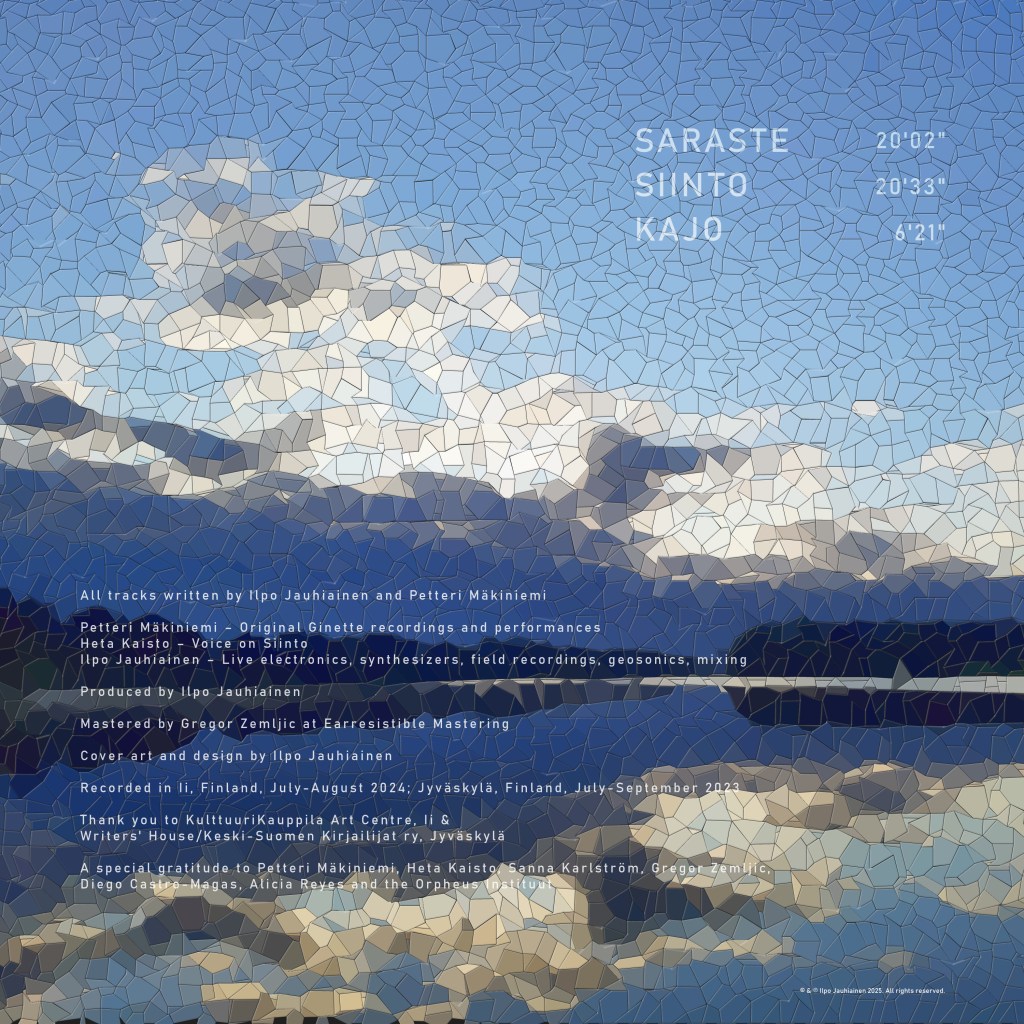
SIINTO (Finnish for ‘shimmer’, ‘dawn’, ‘reflection’, ‘glow’) presents three compositions – or ‘geomusical objects’, as I began to hear them – that play with the notion of music as an environment and environment as music, exploring the potential between geography and music.

The tracks are long (20 minutes), with the ‘hooks’ occurring slowly and gradually over the course of the entire tracks; this is to better cater to the current demand for 2-minute songs with instant 15-second hooks.

(for a new culture is to be found in the spaces, silences and ruptures too incomprehensible to the optimisation algorithms)

It is meant as music to swim in, roam through, get lost in or bored by, zoom in/out of, journey with, discover alongside other things, be exited and returned to at any point.

Siinto and its variation Saraste (‘morning’, ‘dusk’, ‘first light’) originate from my artist residency at KulttuuriKauppila in Ii, Finland, July-August 2024: while there, I was invited to create a site-specific live performance that drew its inspiration and most of its sonic material from the local geography of Ii. The title track also features the voice of a dear friend who was born in Ii, abstracted from a poetry recording we had made years earlier; and while in the performance the voice travelled as a clearer figure in a landscape, here it has become more ecological – a sustaining part of that environment.

Kajo (‘soft light’, ‘reflection’) forms the backing track I created for poet Sanna Karlström’s spoken word performance at Sähkö #42 in Jyväskylä, Finland, September 2023. The idea has again been for a situation/site-specific soundscape composition, drawing thematically and sonically from the local environment and culture – and, in this case, from the content of Karlström’s poems as well. The collaboration was made possible by my residency at the Writers’ House/Kirjailijatalo in Jyväskylä, May-December 2023.

A particularly vital layer in these geomusical objects emerges from the ‘stratified’ recordings of Ginette, originally performed by Petteri Mäkiniemi (the inventor of this wonderful electronic instrument).

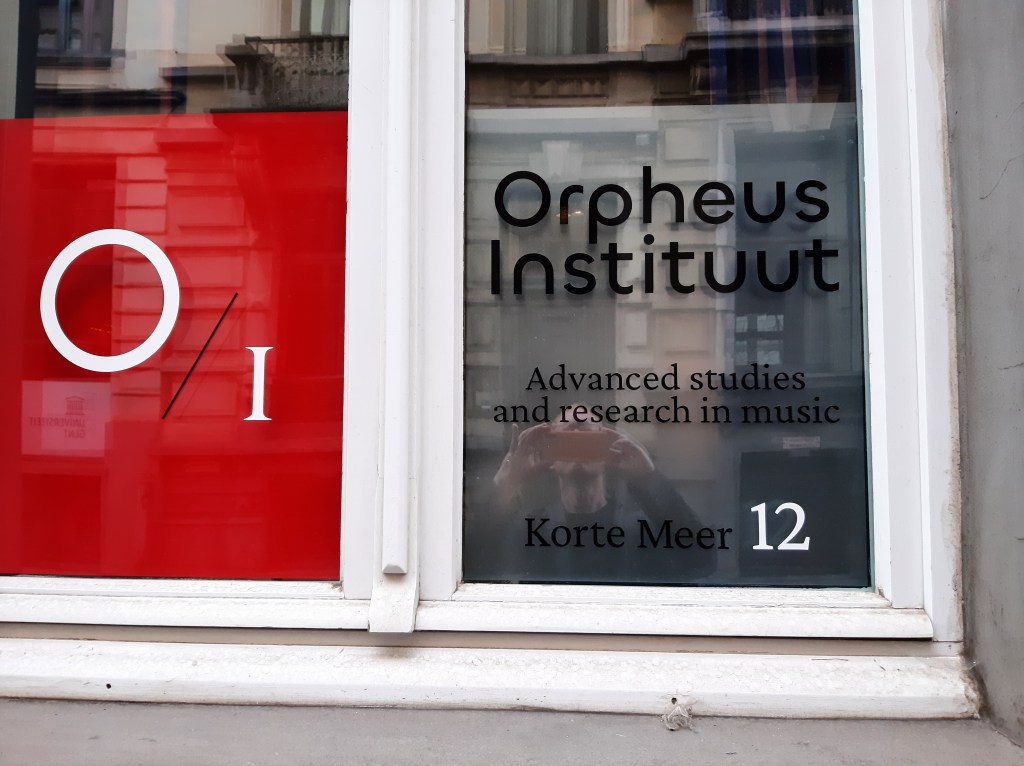
My deepest gratitude to Petteri Mäkiniemi, Heta Kaisto, Sanna Karlström, Gregor Zemljic, Diego Castro-Magas and Alicia Reyes for bringing this album to life; the Orpheus Instituut; and to KulttuuriKauppila and Kirjailijatalo for their transformative residencies and generous invitations for me to engage meaningfully with their respective localities.
A new album / (r)evolutions

June 20

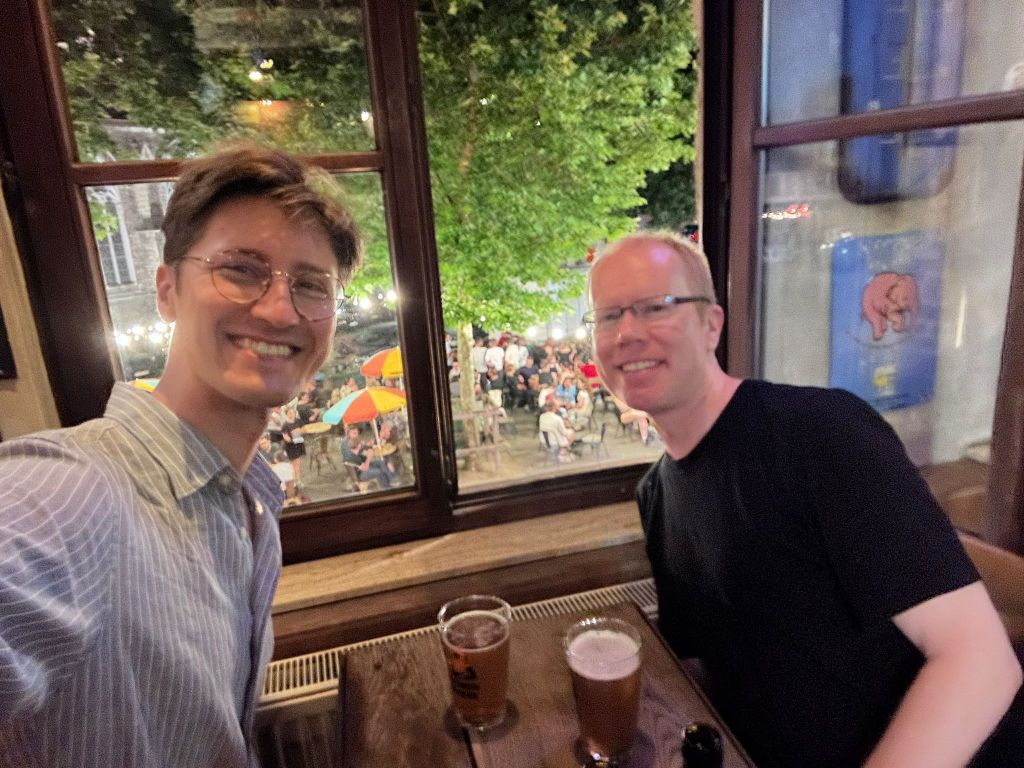
While Finland and the rest of the Nordic countries are celebrating the Midsummer, our research cluster MetamusicX at Orpheus Instituut here in Ghent is celebrating the ends of very long yet transformative journeys, and the beginnings of rather exciting new ones! (more info on the latter in the autumn)

For my dear colleague Alicia (not pictured here) and me, it’s the completion of our compulsory doctoral studies and the start of full immersion into our respective research-based practices; for our dear friend and colleague Adam (pictured here), it’s the completion of his dissertation and becoming a post-doctoral fellow in our cluster, joining Diego, Martin and Paulo. New (r)evolutions are in the air!

I feel utterly lucky having found and become part of this research cluster (and Orpheus Instituut in general): the level of critical, experimental, creative, open-ended, rigorous and enthusiastic thinking – not to mention the sense of humour – has finally provided space for my own expression to flourish; I find myself in a place where all my diverse interests are able to converge, coalesce – and potentially evolve into something new and meaningful! Yet this should be a basic condition for every citizen on Earth: the freedom, safety and unconditional support to discover and pursue one’s dreams, no matter the background. Why can’t we solve this simple societal design on a global scale?

P.S. My new album SIINTO will be out as soon as I receive the final masters from my mastering engineer…

June 2

A quick update. My new album SIINTO will be out this month. Yay!

The exact release date is difficult to set though, as I’m still listening to and deciding on the final masters. But like the music itself, the release process can also be emergent, gradual, soft, incidental, serendipitous, rule-breaking – no need for the usual hyping and stuff!

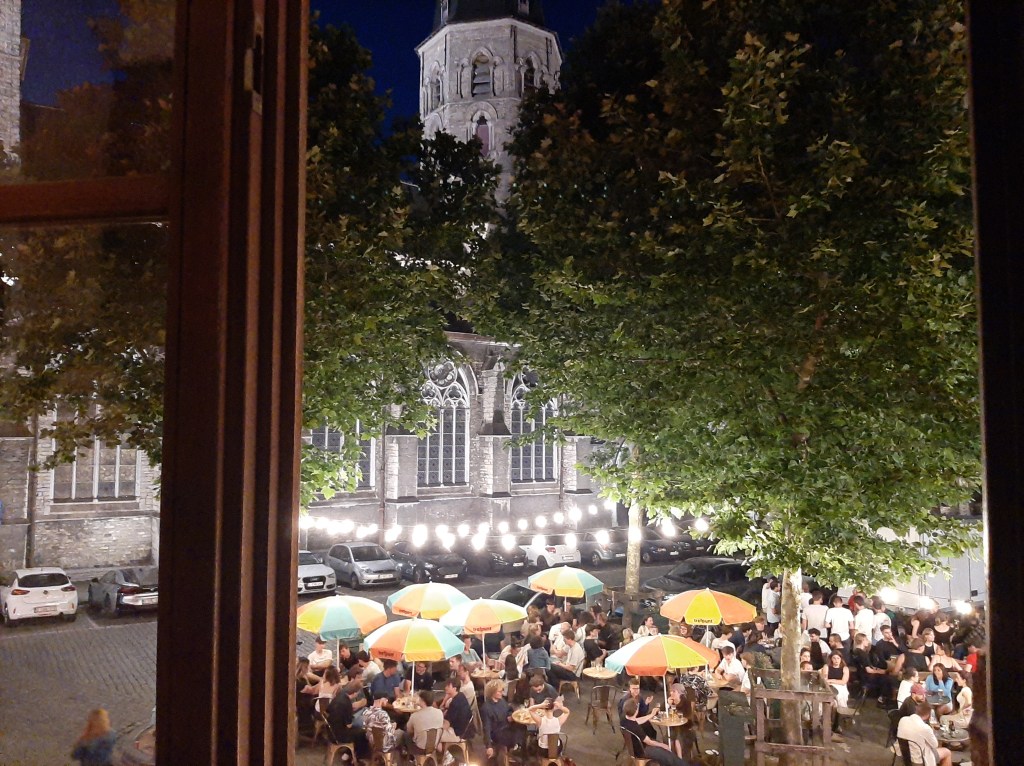
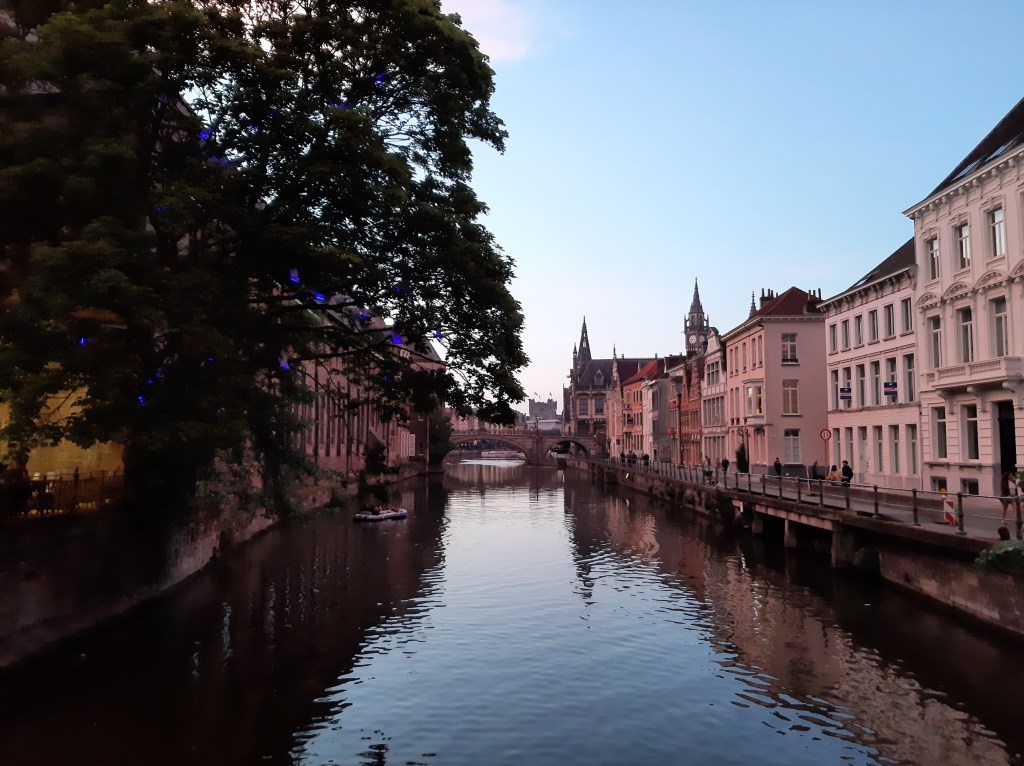
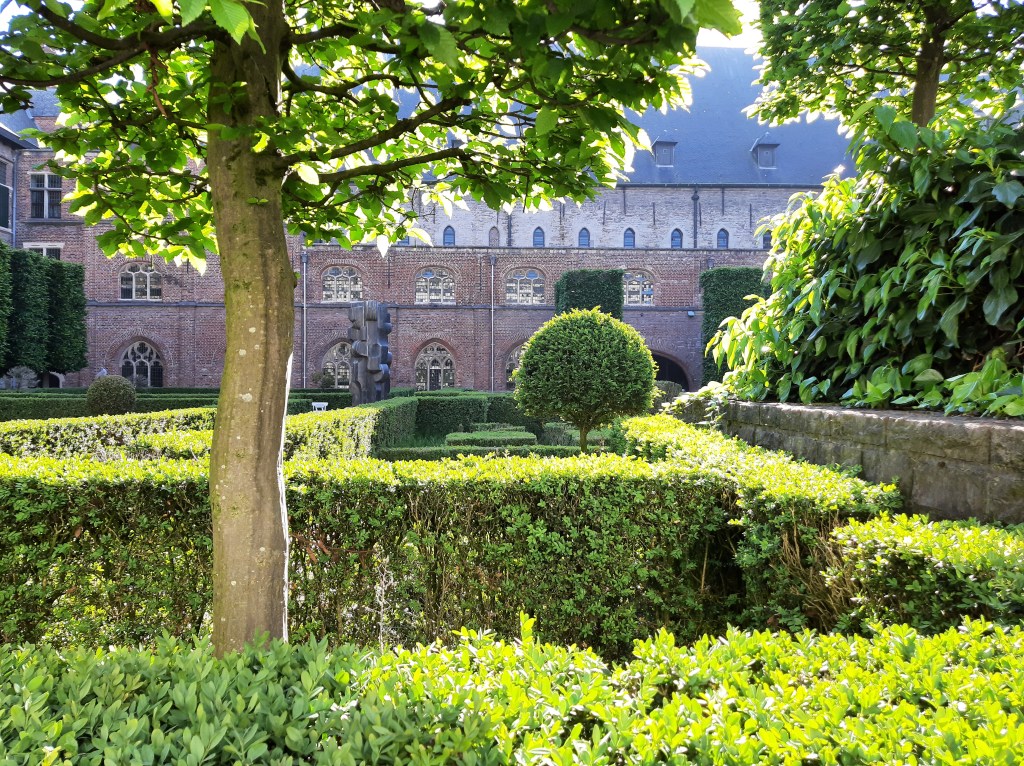
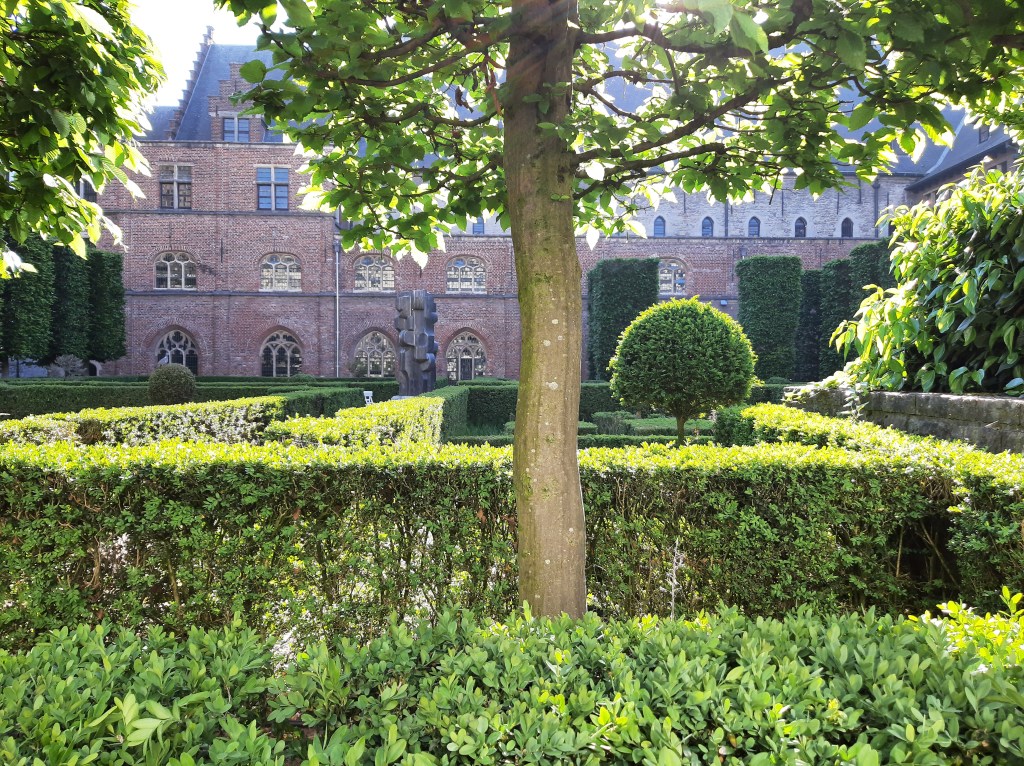
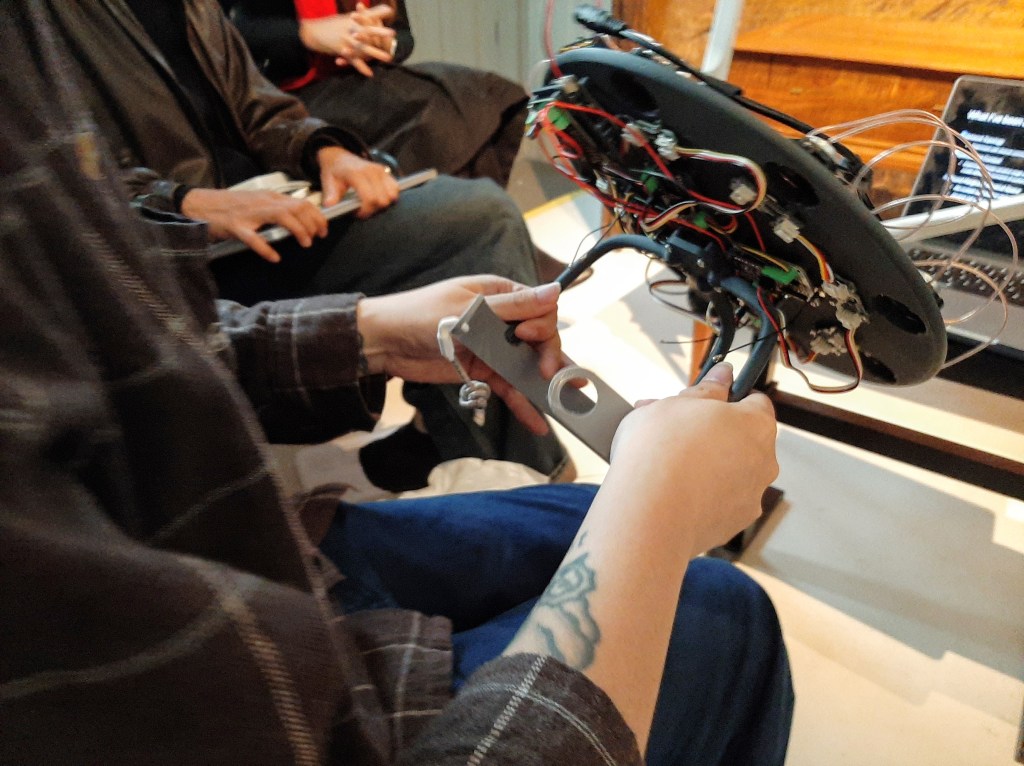
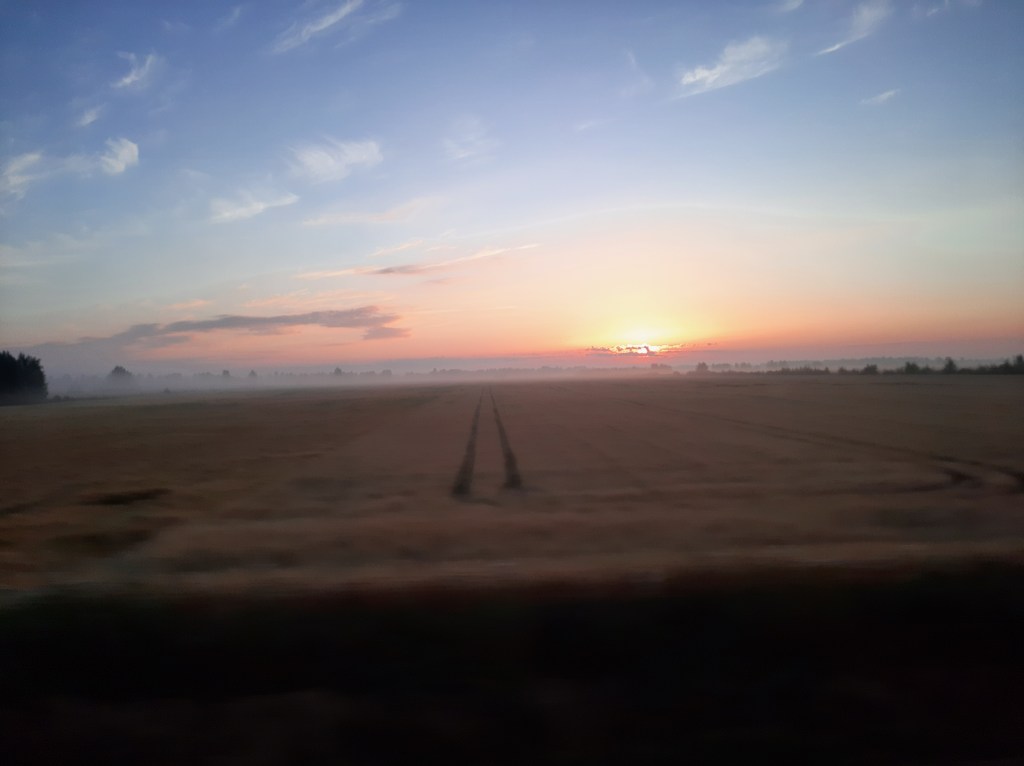
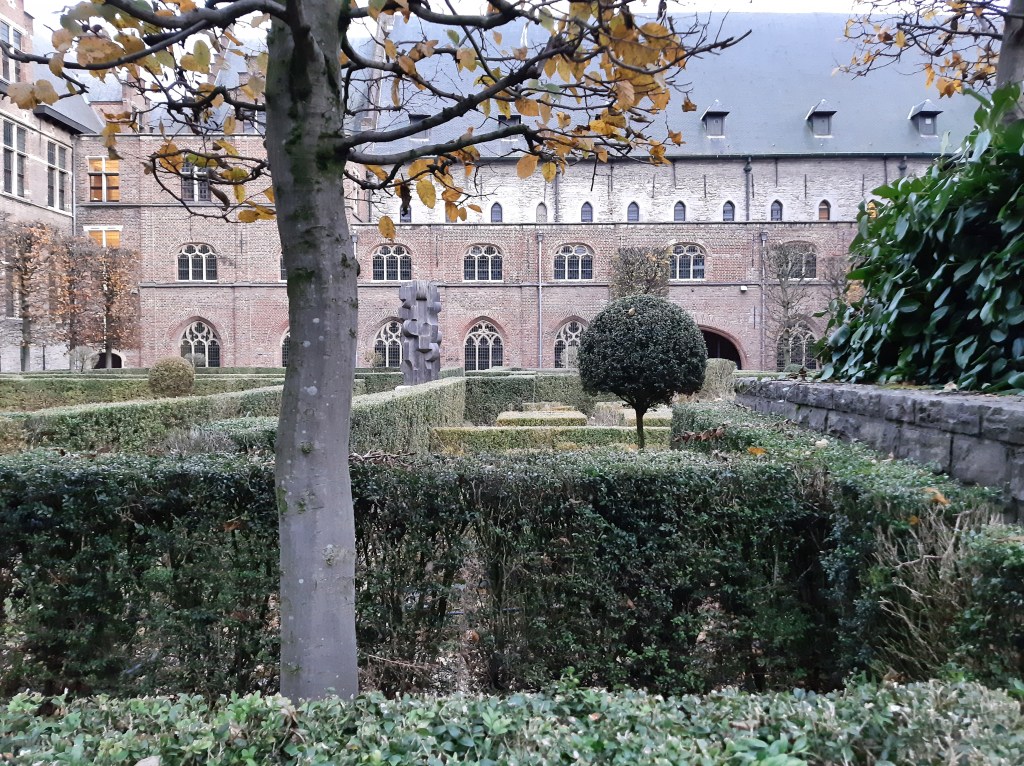
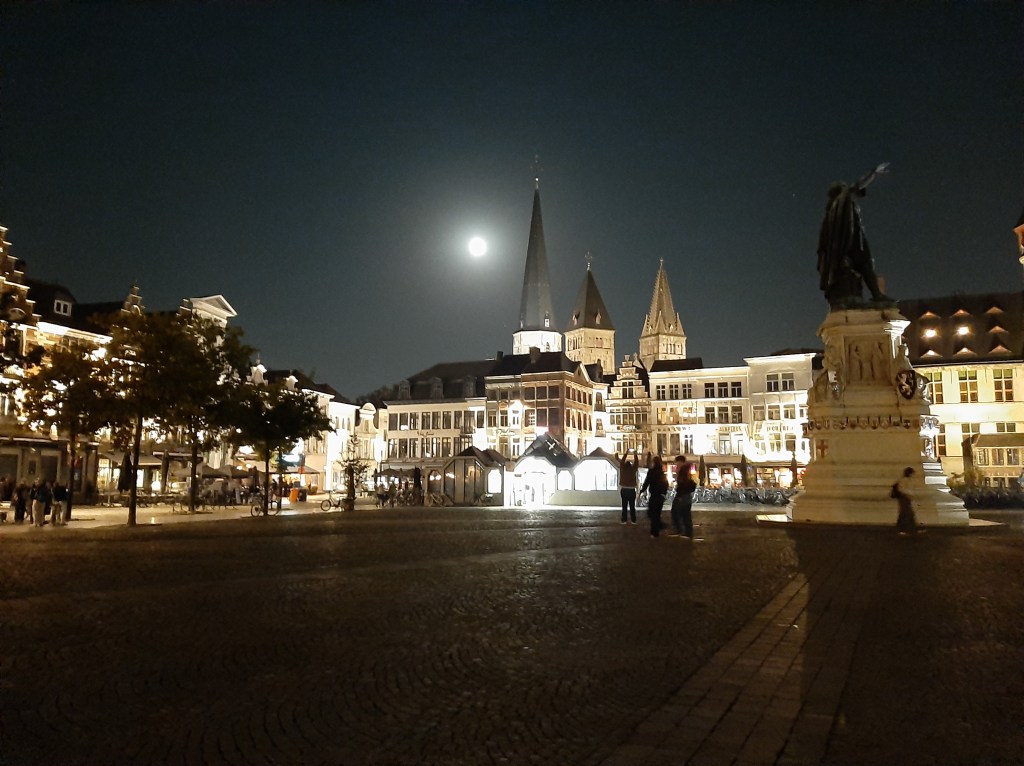
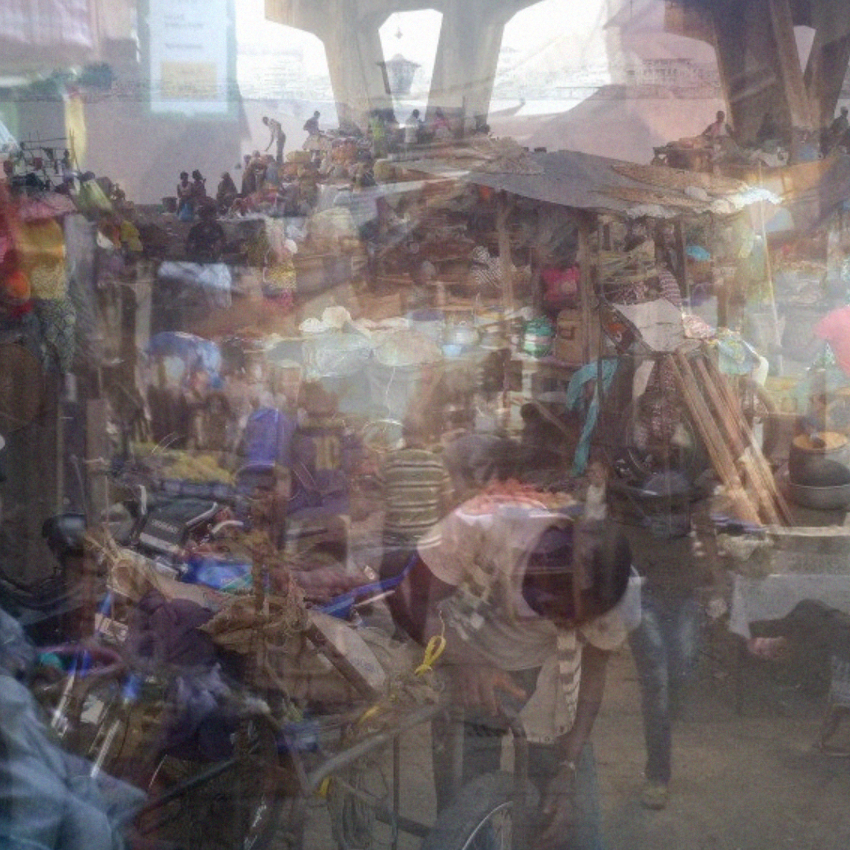
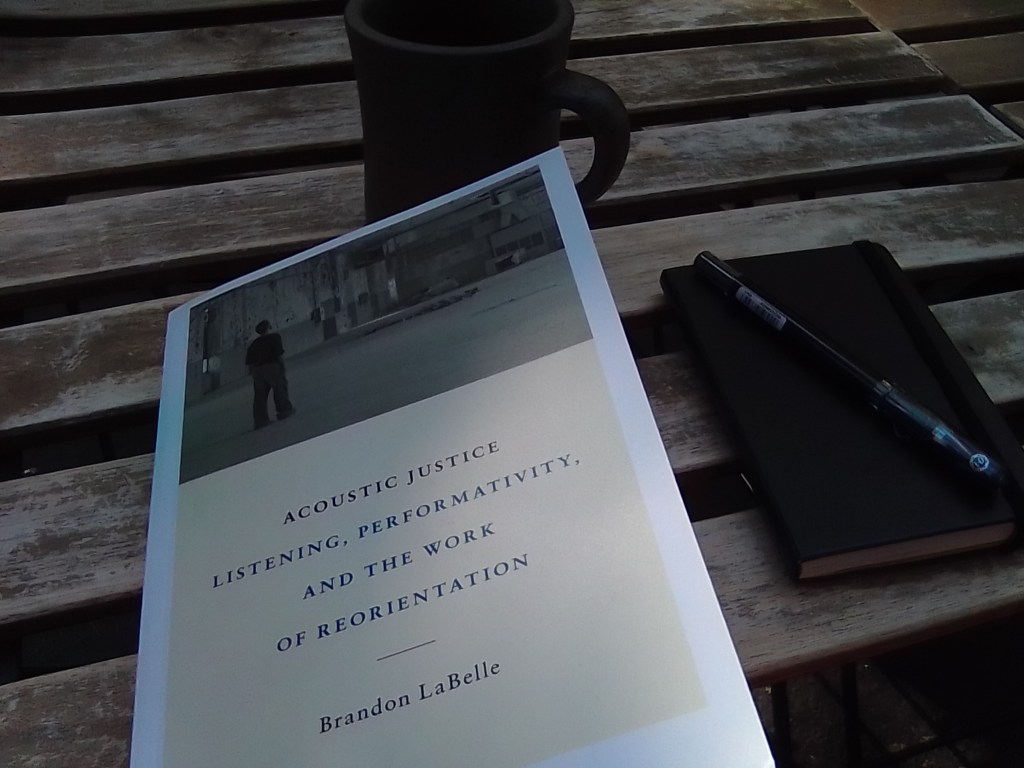
The release has been delayed by my compulsory, first-year doctoral studies: I’ve been utterly busy with the many exciting new projects, encounters and discourses this year has brought (attached a few random, recent photos I’ve managed to take, mostly unrelated to my topics, of course). And the album, for its part, has become an opening, an inception, for a whole new research avenue and artistic thinking that will form the core of my studies from now on. Rather thrilled!

More info soon/in due course. Greetings from a sunny and warm, verdant Ghent!

A year inside new geographies

Happy new year!

As we transition into a new year and, hopefully, toward a more Earth-based world (colourful, dynamic, intelligent, creative, cooperative, egalitarian, disharmoniously peaceful), instead of some escapist ideological fantasy cloud bubble (wars, ecocide, climate breakdown, genocide, inequality, greed, capitalism, racism, post-truth), a couple of brief reflections related to my practice: 2024 has been the busiest and most productive year of my life to date.

A year of new cartographies, geographies, stories, possibilities, if you will.

This year saw the release of two albums of mine, Bloom and Earth Variations. While Bloom emerged from the desire to hear a certain kind of “sensuous, tender, fragile electronica” that I felt was missing from the contemporary releases I kept coming across, it obviously represented a kind of beat-based electronic music I’d already left behind; Earth Variations, on the other hand, is something I’m very excited about and proud of: the result of a very long and arduous multi-year process, its every listen still keeps taking me to these novel landscapes, terrains, territories, geographies, stories, possibilities! To me, it’s such a unique global record (pity that the music media ignored it completely).

Fresh from finishing Earth Variations, I embarked on the most laborious yet most fulfilling and thrilling project to date: PIENIÄ TOSIASIOITA (‘small truths/facts’), a generative sound-poetry installation and composition, keeping me largely occupied for the rest of the year. Featuring nine contemporary poets from Jyväskylä FI, it was originally supposed to be “only” a site-specific installation at Taavettilan riihi, the oldest building in the Jyväskylä city area; yet it then found an afterlife as acousmatic performances at the Writers’ House and the City Library in Jyväskylä, eventually transforming into two contemporary dance performances at the Villa Rana cultural centre in the city, all thanks to the choreographer and dancer Saga Elgland as well as to the participating partners Keski-Suomen Tanssin Keskus ry, Keski-Suomen Kirjailijat ry and Kulttuuritalo Villa Rana.

Regarding all the work I’ve ever done, I’m most proud of this one. PIENIÄ TOSIASIOITA presents a kind of musical future I’m yet to hear elsewhere and which I’d like to most explore from now on. Its combination of generative (self-organizing and -evolving) poetry, voices (spoken word) of the poets, and the music made of transformed environmental sounds, creates a very unique and immersive experience that exists between spoken word, opera, field recording (environment) and ambient music. “Meditative opera”, as some listeners commented. I want to make this a more multilingual and multicultural experience in the future.

Amid developing the infinitely playing PIENIÄ TOSIASIOITA, I spent two months at the wonderful KulttuuriKauppila artist residency in Ii FI, creating a new 20-minute site-specific composition and performance titled SIINTO (‘shimmer’, ‘dawn’, ‘reflection’ or ‘glow’): it’s made mostly of the environmental sounds recorded around Ii, the voice of a dear friend born in Ii, and processed recordings of Ginette, originally performed by Petteri Mäkiniemi. It’s the most demanding piece I’ve ever had to prepare, with so many contrasting layers having to come together. After its successful performance as part of the Evenings of Art & Culture in Ii in August, I thought I could forget all about it: it has now become the basis of my next album Siinto, out next year!

My another long-term album Radiant City is also slowly falling into place, out next year.

The beautifully frozen Winter (-42 C) and sunny Spring at the refreshingly quiet and isolated Frosterus artist residency in Kärsämäki FI saw me applying for the docARTES doctoral studies in music and sound art at Leiden University NL and Orpheus Instituut, Ghent BE. And here I am, successfully lamenting about the drizzly and downcast Belgian winter! Where the f*ck is the sun?! (+-0) Once here, we were told that getting into the docARTES programme was the hardest part, now things should be getting clearer and sunnier.

Due to the programme, I had to cancel a very exciting artist residency in Amman and Wadi Rum, Jordan, this autumn, courtesy of Remal Lab/Studio 8 (Israel committing genocide and other war crimes in the neighbouring Palestine was also one troubling factor). I hope to attend the residency in the coming years when my study schedule allows and the current Israeli government is rotting in jail/hell.

Toward a new, hopefully more colourful, dynamic and civilised world!

The future sound of Ghent

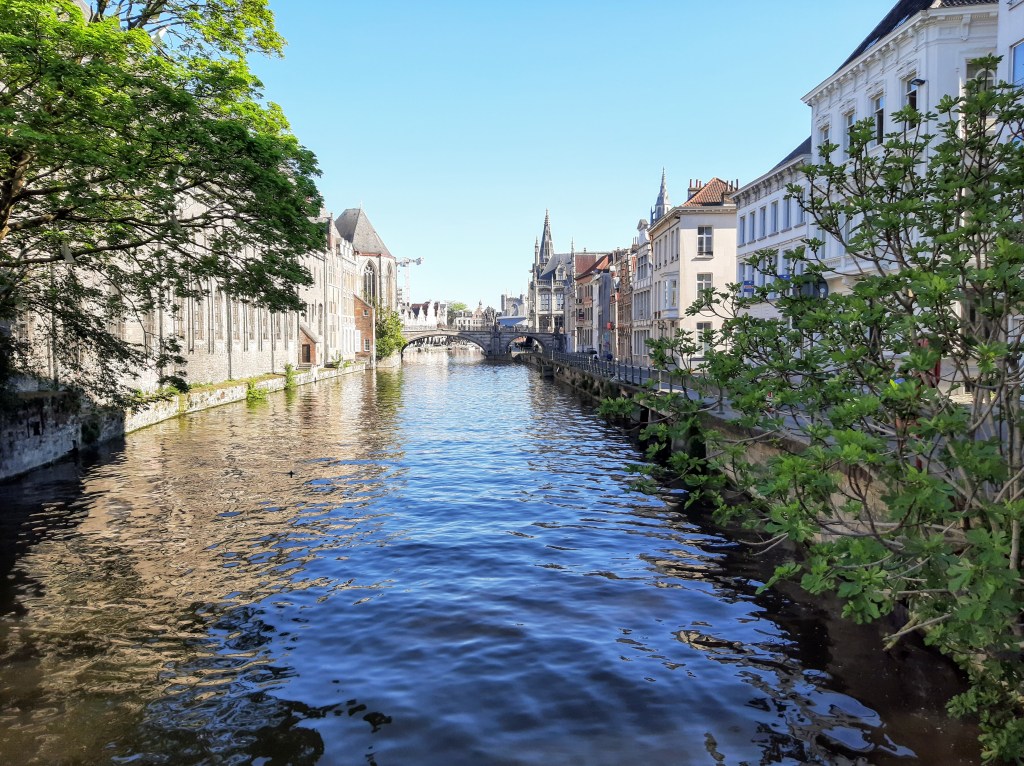
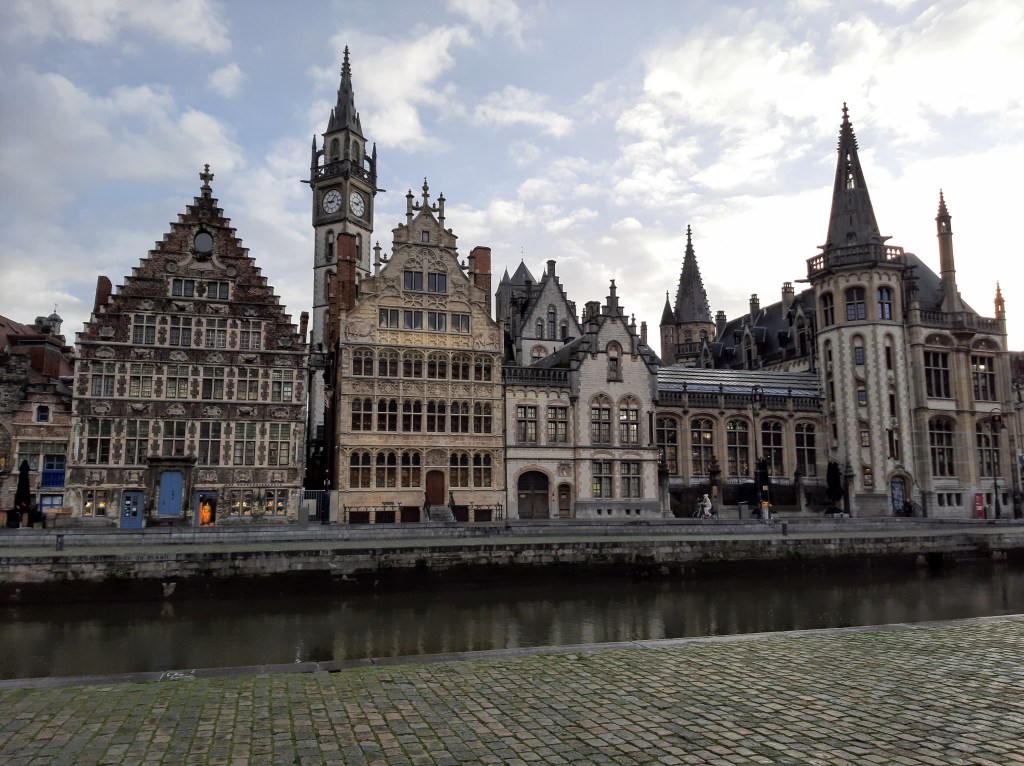
Greetings from Ghent, where the adventures in advanced studies and research in music continue. (the picture above is of Amsterdam, though)

I’m currently taking very few – and rushed – photos here as there’s barely any time. But sometimes I have to stop and pinch myself to make sure I’m not living in some fairytale town from another era and world.

While I’ve settled well in Ghent, in my office and our studios at the Orpheus Institute I often find myself floating in space: music as we know it – records, streams, songs, performances, composers, songwriters, musicians – suddenly feels like a thing of the past, and we’ve now entered a new period where the function and purpose of music suggest something more expanded and transdisciplinary. Naturally, a lot of this has to do with my own thinking space and reading and research that I’m conducting; we also have composers and musicians firmly rooted in the Medieval and Classical periods (and in-between and after), but also to just observe them interact and collaborate with those working with augmented reality (AR), intelligent systems (AI) and (non-)anthropocentric hyperobjects is hugely exciting: there’s a sense of a continuum – long-term thinking and visioning in regards to culture, creativity and intelligence – that is strangely absent from our current political and economic activity (where it would be needed most).

Occasionally though, I do find myself missing the days when music mostly meant Kate Bush or Prince (et al.) on the radio, and skipping songs meant going to a record shop and skipping through cassettes, CDs and vinyls until you found the ones you wanted to buy and own. Music had a clear cultural function and significance back then – and it sounded unbeatably fantastic!

I’ve been working a lot with the latest AI music generators out there – for 30 minutes in total, to be honest, then I felt compelled to quit (compare this with the 30+ years that I’ve been making music for). Conclusion: they are the most boring thing (after our current economic and political ideologies) in the existence of the universe.

AI music generators can produce utterly perfect and fantastic music in almost every conceivable style in seconds, often surpassing even human creators in quality. Heck, I’d always yearned to hear futuristic arabic punk reggae, but since no one was producing such music, I wrote a short prompt, and in less than a minute I had a fantastic track of, well, futuristic arabic punk reggae! I transformed tracks from my latest album Bloom – pure electronica – into symphonic orchestra renditions in the space of five minutes, and the dubious sound quality notwithstanding, they could potentially be mistaken for the work of some talented classical composer if used in the background of a film, for example.

But that’s not what music is or has ever been about.

If music to you is merely a capitalist pursuit (an end product with the minimum cost), then these AI music generators are perfect – and in my opinion there is nothing wrong with anyone (be they advertisers, companies, creators, listeners etc.) using these tools to get the music they want, instantly for free. Go for it!

If music to you, however, is something more precious and evolved – life, art, philosophy, understanding, progress, journey, intelligence, love, culture/civilization, a deeper and more elevated state of existence perhaps – then I’m afraid the secret to this still lies in the old, long and arduous, process of trying and failing, trying again, failing better. For great music has always been more about the process than the product: the life that has gone into making that final product. Make that process/life count, and the end result will be imbued with music that transcends the shelf life of any capitalist-consumerist product.

Music that just sounds like music is not really music (an old argument of mine which suddenly became a source of an animated debate in our last seminar).

In short: to come up with great music by pressing a couple of buttons feels empty; to come up with great music by learning, trying and actually playing feels like an enlightenment.

From the floatation tank that is my office, I hear medieval church bells ringing alongside distant sirens, footsteps on cobblestones, birds chirping, men arguing, children playing and laughing; my colleague on the phone explaining non-anthropocentric compositional practices to someone on another continent; Brahms being practiced on a grand piano next door; generative NFT (non-fungible token – or “No F*cking Thanks!”) sound art on my screen.

It does feel like the beginning of something exciting, an intellectual as well as creative adventure toward “something that nobody has a name for” (after Kevin Kelly), which simply wouldn’t be possible in a purely artistic or academic practice. I might be wrong, of course – but then that would simply be the start of something new again: a process, a journey, an open discovery.

Earth Variations – streaming everywhere

Pleased to announce that my new album Earth Variations is now available on all the major streaming services worldwide.

Links to the album on selected streaming platforms

I’m truly excited – and relieved – to finally have this album completely released and out in the world. It’s been years in the making, with unexpected detours and discoveries along the way.

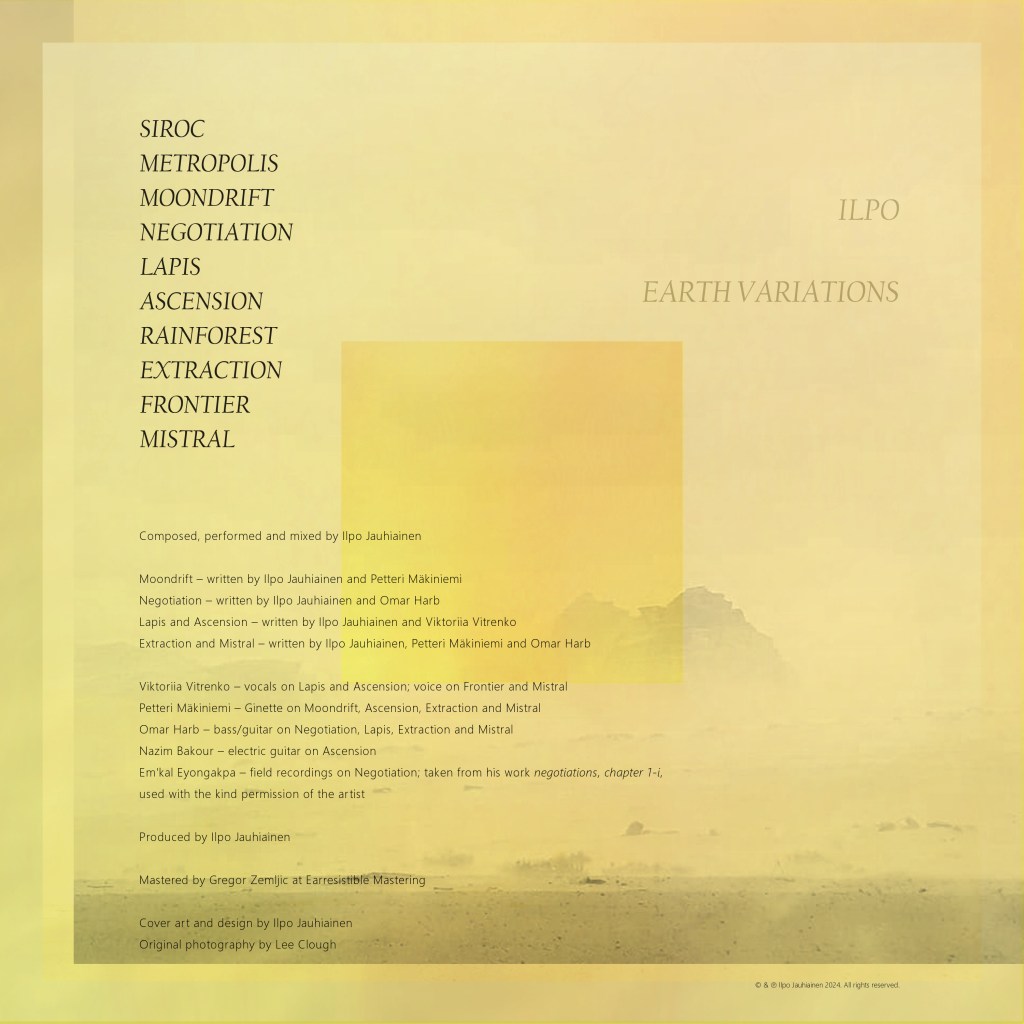
I’m truly grateful to the brilliant artists and musicians who made this album possible: Viktoriia Vitrenko @viktoriiavitrenko on vocals and voice, Omar Harb @omarharbmusic on bass, Petteri Mäkiniemi @petterimakiniemi on Ginette, Nazim Bakour @nazimbakour on electric guitar, Em’kal Eyongakpa on field recordings. And to the brilliant Gregor Zemljic @gregor_zemljic_gz_mastering for mastering the album with such care.

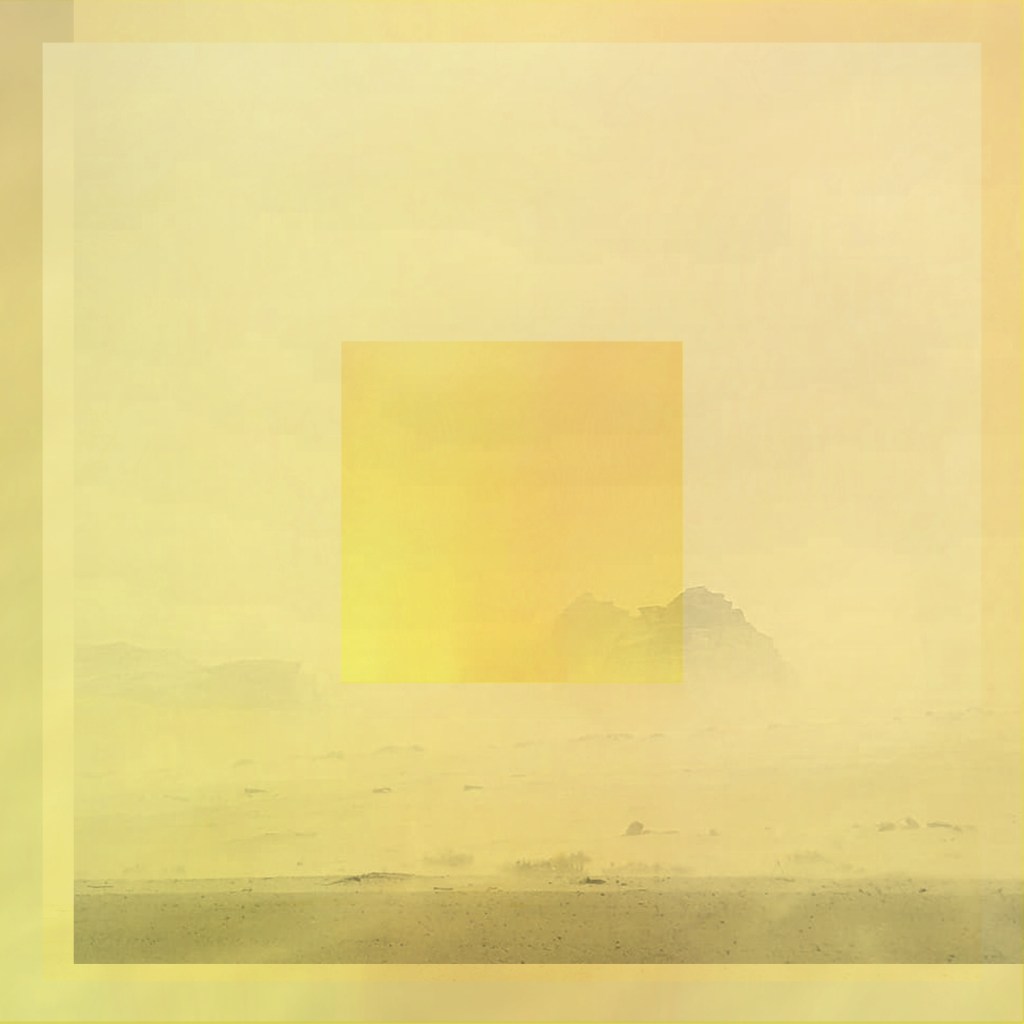
Thank you also to the similarly brilliant Lee Clough @leeclough, whose original photograph (now obscured by my yellow haze) inspired both the visual and sonic direction of the album. And for her Indian riverscape tape recording that first set me off for unearthing these possible musical geographies (back in 2000!).

My gratitude and warmth also extend to everyone else whom I’ve had the pleasure to meet along this journey – there are simply too many of you to mention here 🙂 – as well as to the Finnish Cultural Foundation (SKR) and the Arts Promotion Centre Finland (Taike) for their invaluable support. Thank you.

Keep rocking X
______
Earth Variations explores the idea of music as an embodied and possible geography: a milieu, landscape, terrain, situation, condition, atmosphere. It is inspired by our unique, complex planet in a state of flux. Featuring contributions from soprano Viktoriia Vitrenko, bassist Omar Harb, Ginette player Petteri Mäkiniemi, guitarist Nazim Bakour, and sound artist Em’kal Eyongakpa, the music has been composed and recorded in London, Saarbrücken, Espoo, Douala and Paris between 2004 and 2023.”

Wonderland

An end of the year update.

Time flies, as do the ideas and potential creative directions enabled by the space and quiet of the writing residency. It’s been one of the most inspiring and productive periods ever, which will still continue for the coming spring until my next endeavours.

Early next year I’ll finally be able to start mastering the Earth Variations album, followed later by the Radiant City EP. They’ll be released in the spring and summer, respectively. Excited – and relieved!

Next year will also see the start of my major sonic art project that brings together science and art, thanks to the artist grant from the Arts Promotion Centre Finland (Taike). More about this in due course.

I’m also planning a collaboration with this Iranian santur master here in Jyväskylä in the spring. Having experienced a couple of his very moving live performances, we’ve been having inspiring conversations since, mixing music talk with those of world politics and philosophy: always a good sign. Instead of simply improvising (which I’d then have to painstakingly edit into coherent takes), he actually prefers to compose his parts beforehand – I’ve been hoping for this kind of dedication for most of my musical life! Ours will be a special EP, blending the sound of his 3000-year-old percussion-stringed instrument with my yet-to-be-finished Afromontane Sound Painter. Ancient meets futuristic.

I’m currently busy applying for a doctoral programme in this prestigious music academy in Europe. Out of over a hundred applicants, I’m pleased to say that I’m among the final four to be considered for this particular position. This is a huge honour in itself as the position would allow me to focus on an artistic research into the future of music as well as the role of composers/musicians in the future society. Fingers crossed.

My planned book (on the future society through sonic arts) has been trundling and instead diverging into a series of essays. In our monthly essay workshop here with local writers – all of them established and many with literary awards (contrast this with me) – I’ve been receiving the most unexpected feedback: so enthusiastic, constructive and critically supportive! These authors have enabled me to see my writing in a wider literary and cultural context and believe in the importance of what I’m trying to say as well as the literary style I’ve been developing. So: something new will be published in the future days.

Spotify sucks. Please, reconsider using the service if you care about music, the artists that create the music and a healthy economy that underpins any equal, productive and functioning society. Thank you. (in academic terms: SPOTIFY SUCKS. THEY ARE THIEVES AND CRIMINALS.)

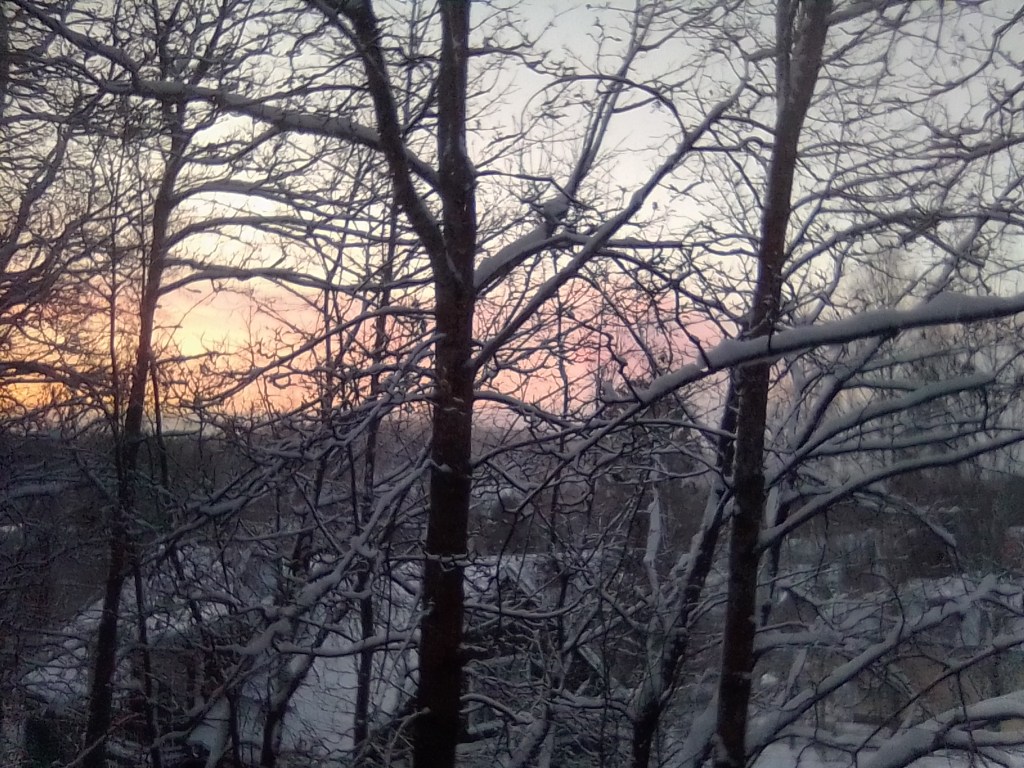
Lately I’ve been making new music for various poetry readings here in Jyväskylä. This has been the most refreshing as the music is a reaction to the local culture and environment as well as the poetry in question, enabling one to approach the idea of music from often surprising perspectives. Waking up early in the wintry mornings when it’s still dark and quiet, working on a new composition while watching the light gradually dawn and reveal a landscape covered in snow and frost – an in-between state conspired by the poetry, the landscape and the emerging music where anything feels possible. It is a literal dawn of the world, a (winter) wonderland.
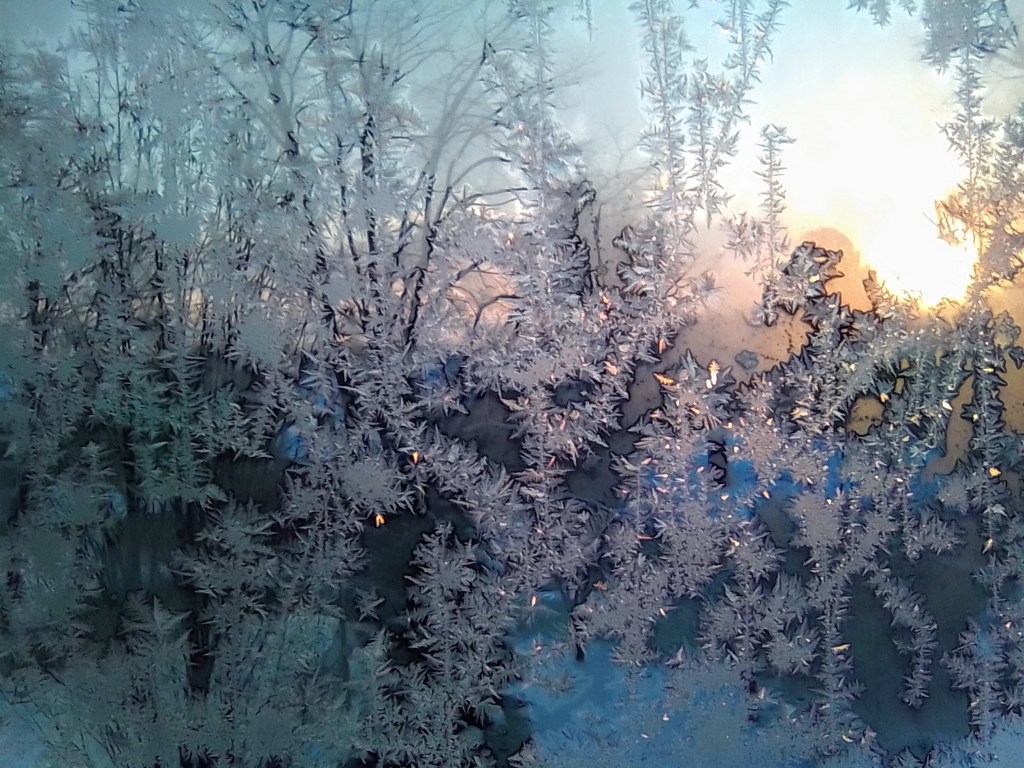
Have a warm and peaceful transition into the new year 🧡✨

Within a world containing bloom

A small update.

Currently enjoying my writing residency in Jyväskylä, Finland, enormously. This city of lakes and hills is known as the capital of Finnish hip hop; the Athens of Finland (“the cradle of the arts and sciences”, nowadays a major educational and cultural centre); the capital of the eminent Finnish architect Alvar Aalto; the City of Light (a global pioneer in innovative urban lighting). In the fall I’ll start performing city-sensitive ambient live sets in this local and legendary poetry club. The words are also sprouting: after writing solely in English for so many years, I suddenly discovered a whole new, rich and fertile, “exotic” landscape in the Finnish language.

I’ll be releasing a special EP of melodic beat-based electronica soon, with an album to follow later. It continues the thread of my debut album Shimmer & Bloom – including a previously unreleased track with poet Rick Holland – but with an added perspective and experience of 12 years. The tracks just continue to sound timeless (and beautiful!) year after year so I might as well make them timely now.
While visiting my childhood home over the Midsummer break, I brought my entire DAT (digital audio tape) archive with me, covering the years 1995-2008. It’s incredible how much novel, brilliant and releasable material there is when it’s no longer your younger, too critical and often insecure ears listening to it. Expect compilations like Proposals for Possible Musics: From Every Imaginable Genre to Every Other Imaginable and Unimaginable Genre + bonus Alternative Realities Mixes coming out soon.

Also, forgotten field recordings of Tokyo, London, Paris and a Finnish summer cottage: from African drumming in Yoyogi park and rainy evenings in a bustling/calm Shinjuku to a salmon being smoked over a lakefront fire and a wood stove sauna being prepared (via London drain pipes and a Parisian café where French, Japanese and English keep forming a new lingual blend).

(The classic ‘Black Egg’ is also here – whoa! – which used to cause serious headbanging when we played it live to an overcrowded audience at the sweaty basement of the now legendary but defunct Foundry bar in Hoxton, London, in 2001. Ours was the first band ever to play live in those old bank vaults, with a long queue extending up the stairs and through the bar above as the space could accommodate only so many. A definite highlight of my musical adventures!)

Next year I’ll start developing a new version of my Future Forest Space composition and sound installation – thanks to Taiteen edistämiskeskus (Arts Promotion Centre Finland) for their artist grant that enables me to continue this long-term project of mine. I’m truly grateful! The work addresses the use of AI and environment in music and sound art while developing a new kind of musical language through a more considerate application of these. The project will be realised in Switzerland, France and Finland together with various research institutions.

The album Radiant City is coming along slowly but well. I love exploring the idea of a city through the abstract energy and pulse of music while sonically revisiting the cities of my past travels. The album threatens to escape the city limits though and diversify into all kinds of directions and environments.

Earth Variations is now finished and waiting for a funding for its mastering. I wish the music industry was more like art world: valuing originality, ideas and content over popularity and familiarity.

Outside the narrow corridors of the industry, life and music continue to expand, diversify and flourish. And that’s all that matters in the long run. Have a beautiful summer! x

Absent City

Absent City (2008). Video by Megumi Matsubara / Assistant.

This moment now used to be an unimaginable future. Absent City, a mixed media installation by Megumi Matsubara, with the music/soundscape by me, in Tokyo in 2008.

I’m currently reworking this sound piece for the upcoming release Radiant City, which has now progressed from a short EP into a full-length album as well as an immersive sound installation (I should’ve known). The original Absent City piece is 90 minutes long of which the video here features the opening four, and for the new album it’ll be reduced to a 30-minute composition with four movements and additional instrumentation.

Time is indeed an interesting character (see eg. the films of Christopher Nolan). I hadn’t listened to the full 90-minute soundscape for over a decade because I’d regarded it as a failure, an embarrassing attempt at creating something between music and environment, music and city, music and sound art. The piece consists of seven lunch conversations, 90 minutes each, recorded in various public spaces around Tokyo between the artist herself and different people she’d invite each day. My job was to imagine these recordings as different instruments in an orchestra and turn them into an abstract composition, simultaneously resembling music and an urban soundscape. And since I only had one full day to do this, I had to work really fast: deciding, treating, “composing”, arranging and mixing the tracks almost in real-time. My lovely Spanish flatmates would pop in occasionally to listen and offer comments – and bring food from the dinner table! A quick getaway to a Finnish sauna and a cold beer – and back to my studio (with a couple of more beers) to finish and send the piece by midnight, when the dawn was breaking in Tokyo for the exhibition’s opening day.

The artist was really pleased with the result and said it was exactly what she’d been looking for. But I felt a sense of unease: I hadn’t had time to really sit back and evaluate what I’d done, let alone make any corrections if necessary. There were parts where I’d wanted to bring in more musicality, to explore the possibilities of “the studio as a compositional tool” more (see eg. the lecture of Brian Eno from 1979) but couldn’t. The soundtrack was already playing in Tokyo, while the summer in Helsinki blossomed elsewhere. My disappointment at what felt like a missed opportunity for something unique and proper made me soon forget all about the piece and move on.

Until a few weeks ago, when I came across it on my old hard drive and decided to give it a full listen. And boy what a trip through space and time that was, through a city that had become nonexistent – or been missing for too long! Here I was in some future city, a possible city, an invisible city, a multiplicity, a radiant city, experiencing an increasingly familiar yet heartening pattern: as time passes your criticality toward your work simply dissipates, gets forgotten, transforms into innocence and ageless fresh joy with lived experience. With the original condition absent, you’re free to experience the work and the world anew, those midnight hours of Helsinki turning into a dawn chorus in Tokyo. Sometimes the original condition is of course better and you’re right to leave it as it is, but here I found myself arriving in a future the seeds of which I’d planted all those years ago, without knowing how they might grow. What once had felt absent, was now starting to feel radiant.

Photography: Sebastian Mayer

World / Interspaces

‘World’, featuring soprano Viktoriia Vitrenko on additional vocals, from the album Interspaces. The main vocal is by Taina Grohmann, quite heavily timestretched here, and it’s an outtake from my debut album Shimmer & Bloom (2011). The video consists of photographs taken by me in Tokyo, Marrakesh, Fes, Cotonou, Agouegan and Helsinki.

What makes this track really special to me is that it became, unintentionally, a condensation of my most cherished musical awakenings: from Can to Fela Kuti, Bernard Parmegiani to Steve Reich, Brian Eno to Björk, Jon Hassell to Pan Sonic, etc. to etc., it seems to have distilled ingredients from all these influences into its own kind of worldly essence. Especially four pivotal discoveries come to mind: ‘Boat-Woman-Song’ by Holger Czukay and Rolf Dammers (from their 1969 album Canaxis), ‘Come Out’ by Steve Reich (1966; it was preceded by a similar tape piece It’s Gonna Rain but Come Out was my first encounter with Reich), ‘Fourth World, Vol. 1: Possible Musics’ by Jon Hassell / Brian Eno (1980), and ‘Kokoku’ by Laurie Anderson (from her 1984 album Mister Heartbreak).

It’s also fascinating to notice that we indeed seem to be occupied by the same few ideas throughout our lives, exploring and cultivating them as we go along: when visiting Finland this summer and listening through my old tape archive (what’s left of it anyway: I have foolishly discarded most of my early demo cassettes), I was amused to realise that several of the tracks I’d made 30 years ago bore a distant similarity to pieces like World. While obviously exuding more naivety and my attempt to follow the musical trends of the time (like Balearic and ambient house), their shortcomings hinted at a desire to break free and create stylistically something more diverse and global; I was a teenager dreaming of a better world as well as exploring more of this world. And a couple of those pieces actually got played on the Finnish national radio (Radiomafia) where the presenters described them as “very interesting and original” at the time: the memory of having such an experimental mainstream radio culture now feels like a dream from a fictitious world, with any differing colour and sparkle (and any sign of a more complex and potential world) having been quashed decades ago by the monotonous industry playlists of hyper-consumerism.

But despite late capitalism’s best efforts, life continues to flourish and diversify – like in the basement rehearsal space of the Cité international artist residency, where I was fortunate to encounter the Ukrainian soprano, conductor and artistic director Viktoriia Vitrenko. When we were later recording her vocals and I sat there listening to her experiment (“the voice transports you: our small studio space turns into a concert hall, then into an Afromontane forest between a desert and an ocean, before returning, via the Lower East Side of Manhattan and the Jonquet district of Cotonou, to a wooden cabin by a lake, with the stars just appearing in the late summer sky and the moonlight traversing the water’s still surface”), I felt a new musical awakening, a possible music waiting to be unearthed beyond the albums of mine we were working on – except this time, instead of records and radio waves I was in the same room where the music was coming into being. To experience such an unguarded moment of openness and play, when things break free and your preconceived ideas fail and become receptive to the environment – a molar world becoming molecular, a difference in the atmosphere becoming sensible yet still indeterminable – is what philosopher Gilles Deleuze might have described as being “present at the dawn of the world”.

On new albums, music industry and post-music

My new album Interspaces is now finished. Hooray! However, I decided to postpone its mastering and release until after my forthcoming “holiday” (always somehow working) in Finland: I want to listen to it against the stillness and freshness of rural Midsummer nights, with my senses quietened and reoriented from the hustle and bustle of Paris, and make any final adjustments if needed; I’ll be also finishing my other album Earth Variations while there, in the same pastoral immersion.

I’ll be working in the very same room, with the same view over fields and forests, where I made my first serious electronic compositions 28 years ago (one of those pieces almost made it onto Interspaces!). Until recently, I’d thought this would be a fitting place to finish these two albums as, for quite a while, I’d been feeling that Interspaces and Earth Variations would be my final works and then I’d quit music, move on to greener pastures like writing – and what a more poignant place to bring my adventures in music and sound to close than the one where the journey started.

Music is a strangely intoxicating and invigorating substance, however, and once you’ve discovered something through it, it’s difficult if not downright impossible to quit. Ideas, inspiration and curiosity keep flourishing, even if your work continues to be ignored by music industry and media year after year, release after release; once you’ve realised that music and music industry are actually two very different and separate things – the former is about creating possible worlds and reimagining the society; the latter is about obsessing over profits and social media hype – none of that industry fuss matters anymore and you’re able to work with greater abandon and scope. In fact, you might be onto something as critic and music historian Ted Gioia illuminates in his recent and poignant, yet solacing essay Is Old Music Killing New Music?: the real progress in music happens now outside the music industry – record companies, media, playlist algorithms etc. – because the latter is no longer interested in innovation, in discovering new sounds and nurturing new talent. “New music always arises in the least expected place.” Personally I have no problem with any of this (I listen to old music more than new stuff, yet I couldn’t make old-sounding music myself because composing for me is a way of researching and understanding the evolving world) – although it’d be great to have some kind of structural support for this emergent new sonic art happening in the margins – and perhaps we could say that music, especially Pop Music, existed happily until its demise around 2010, and now we have something new for which we haven’t found a better name and suitable function yet.

So, on my small plot of land, I recently began to get a sense of what kind of music I want to develop next (it’ll focus on words and voices, listening and performativity, new yet subtle globalities), putting my retirement from music on hold. Meanwhile, Interspaces will be out sometime in June/July while Earth Variations will be released in August/September. Have a great end of the week!